Referee Signals explained in plain English for parents learning Basketball.
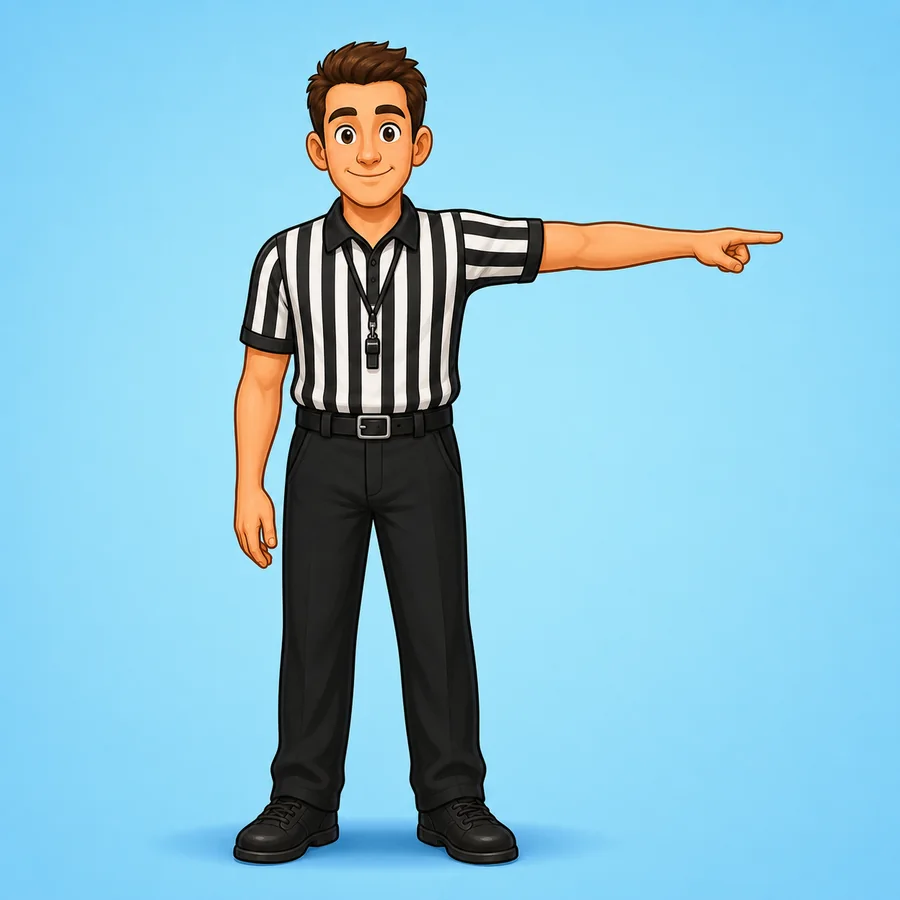
Direction Of Possession
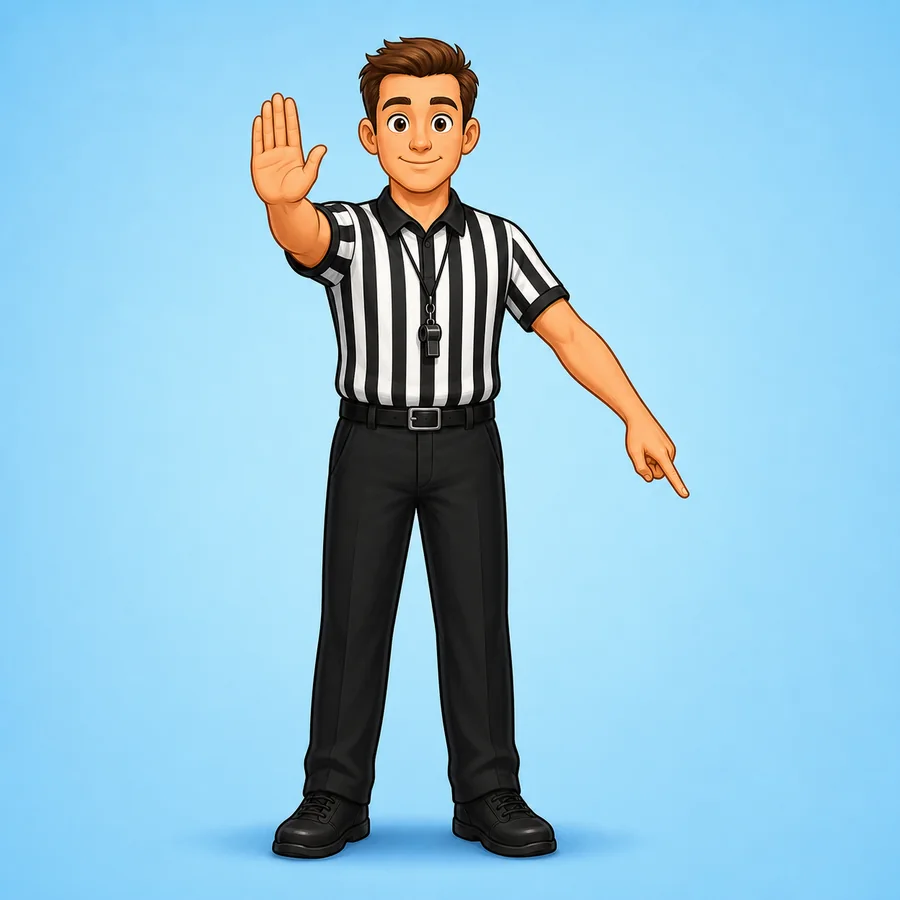
The referee is showing which team gets the ball next.
When it happens: After an out-of-bounds play, violation, foul result, or alternating-possession situation.
What parents should know: This is often the fastest way to understand a whistle. Look where the referee points before reacting to the call.
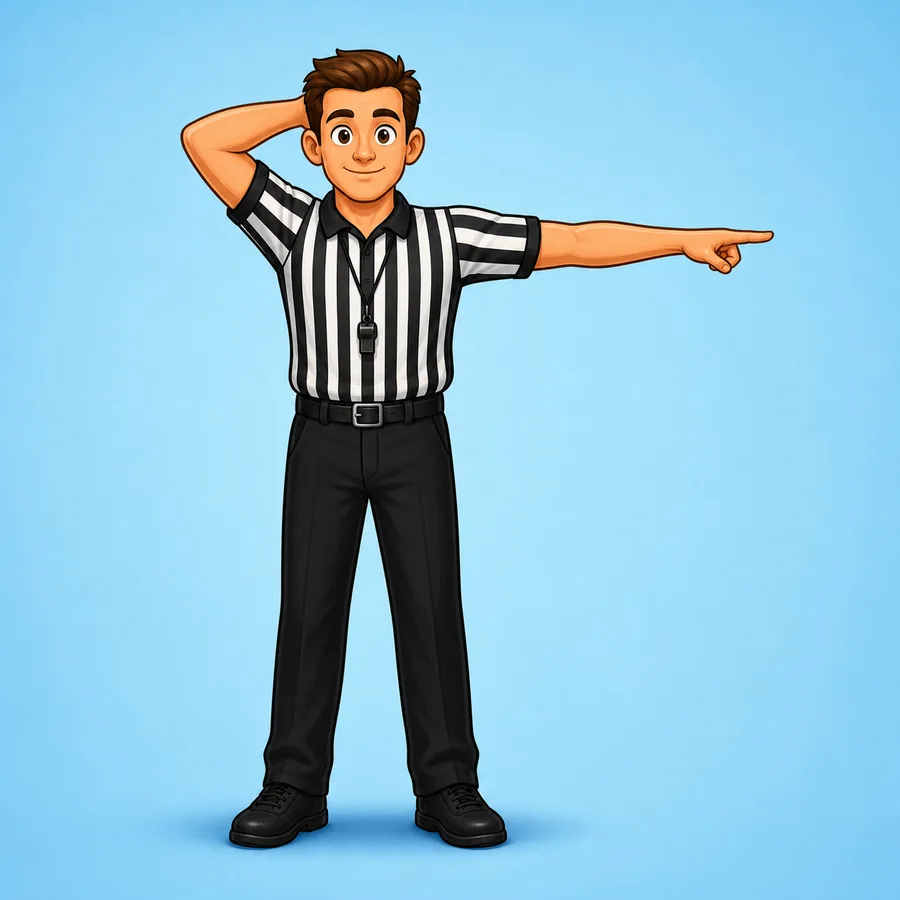
Visual cue: Referee points one arm toward the basket the team with possession is attacking.
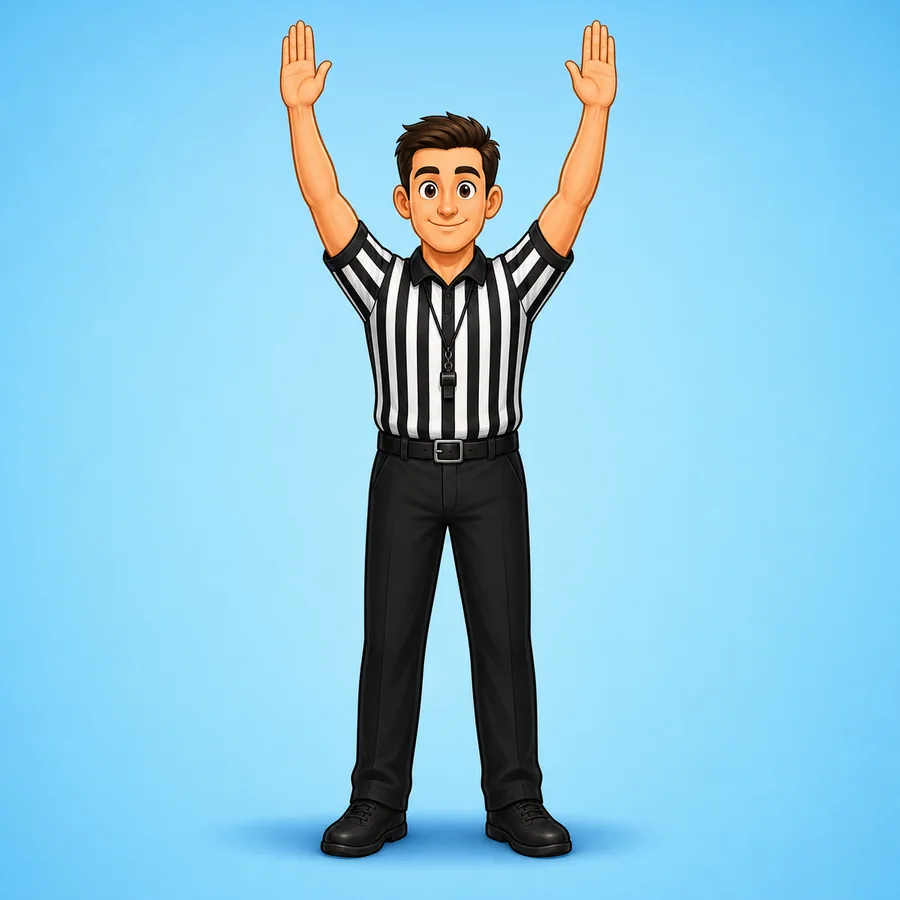
Made Basket
The shot counted and points should be added to the scoreboard.
When it happens: After the ball goes through the basket during live play or after a made free throw.
What parents should know: Most made baskets in youth games are two points, free throws are one, and three-point scoring depends on the league.
Visual cue: Referee may lower an arm or simply let play continue; for three points, officials often raise both arms after the made shot.
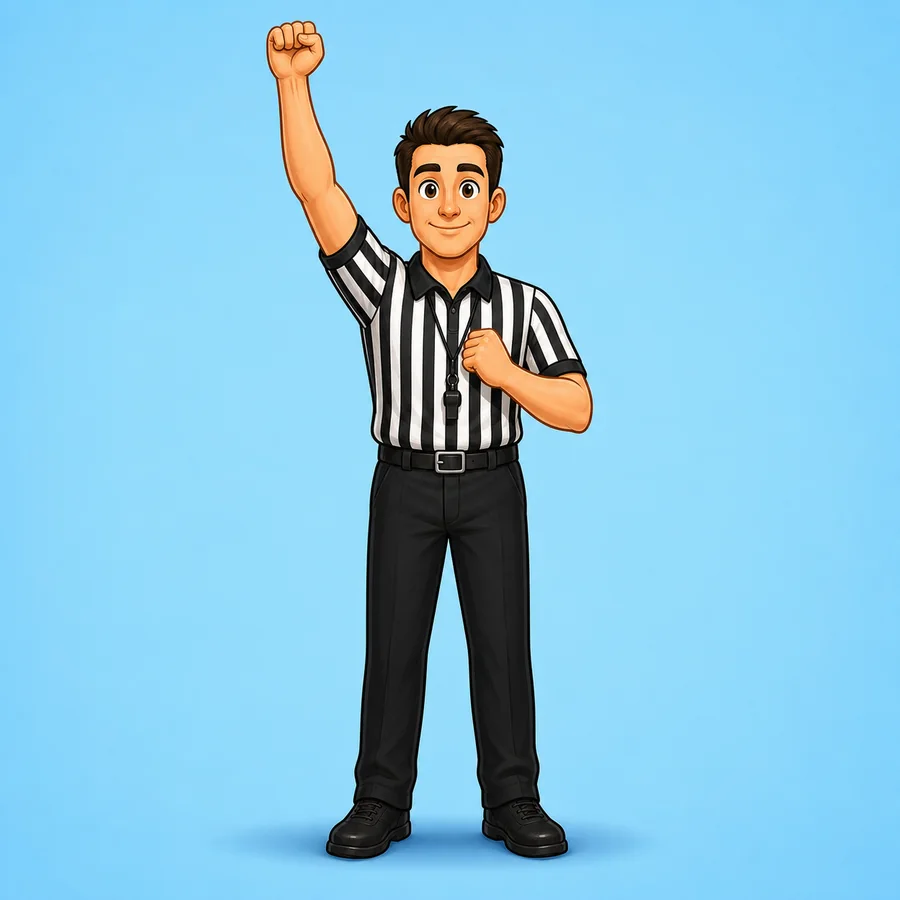
Personal Foul
A player committed illegal contact, and the referee is stopping play to report it.
When it happens: After reaching, pushing, holding, blocking, charging, or contact on a shooter.
What parents should know: The referee may report the player's number and type of foul to the table. The result can be a throw-in or free throws.
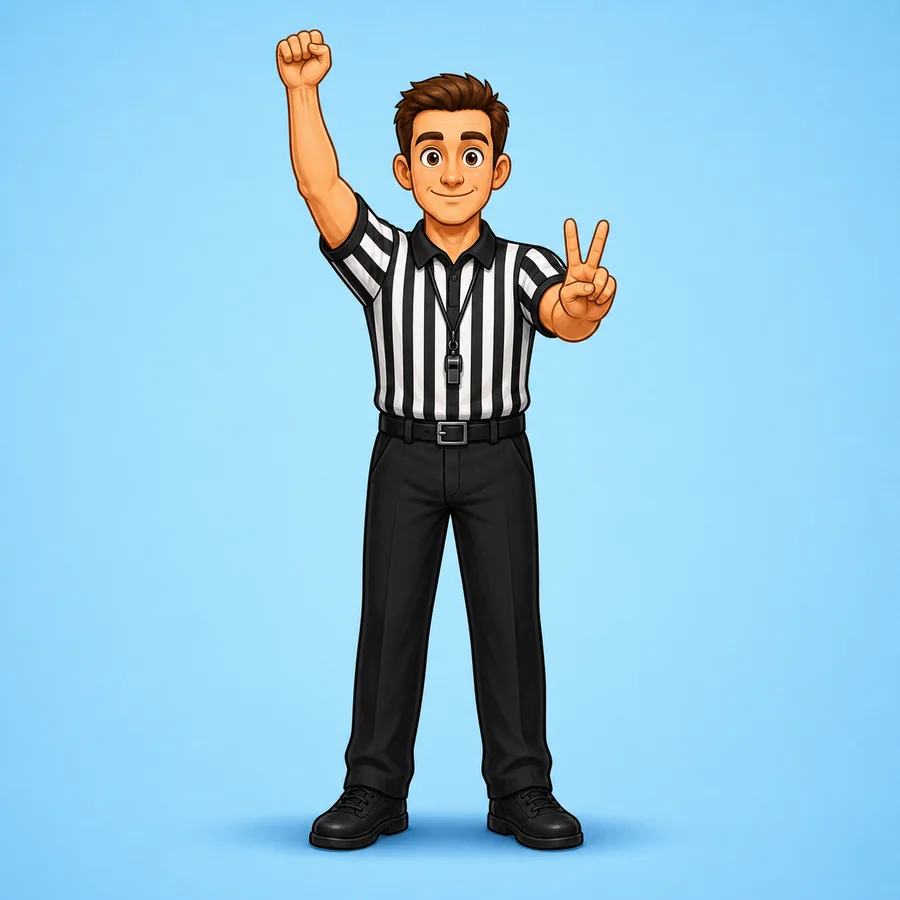
Visual cue: Referee raises a fist to stop the clock, then reports the number and foul type with hand motions.
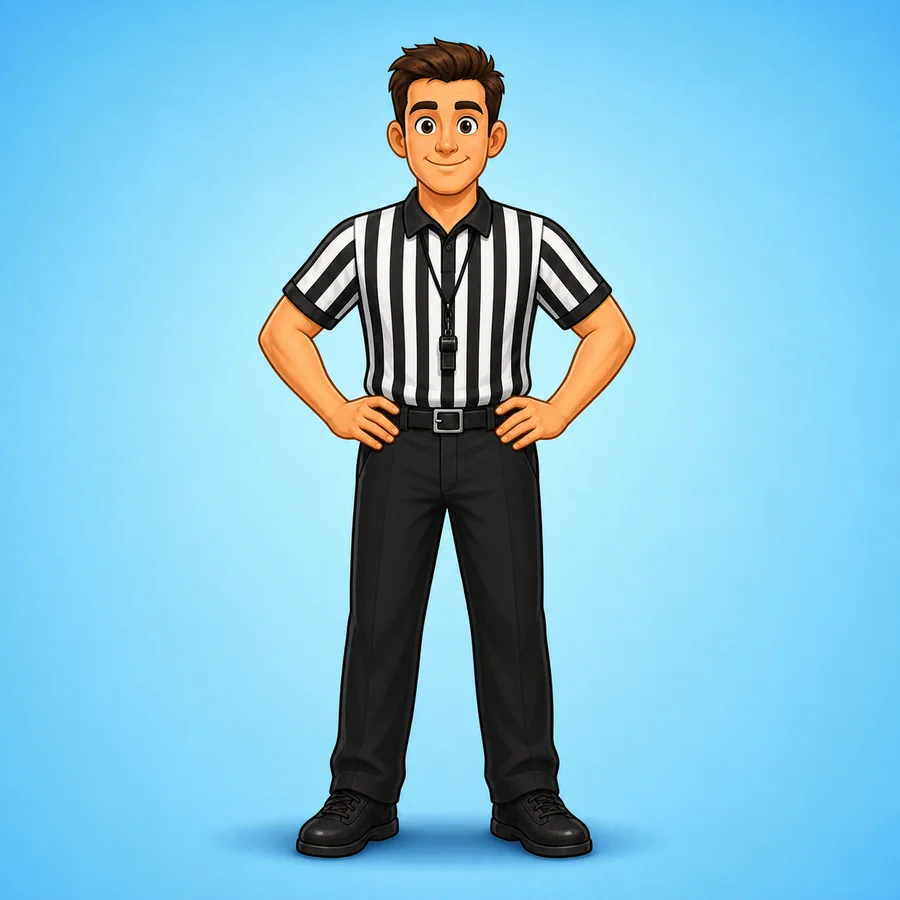
Blocking Foul
The defender illegally impeded the offensive player's path without legal guarding position.
When it happens: Often called when a defender slides late into the ball handler's path or creates contact while moving.
What parents should know: This is a judgment call about position and timing. Youth defenders are still learning how to move without bumping.
Visual cue: Referee places both hands on hips after stopping play.
Charging Or Player Control Foul
The offensive player created illegal contact, often by running into a defender who had legal position.
When it happens: Common on drives to the basket when the ball handler lowers a shoulder or crashes into a set defender.
What parents should know: If called on the offense, the basket usually does not count and the other team gets the ball, though local details can vary.
Visual cue: Referee places one hand behind the head and points the other arm in the new direction of play.
Shooting Foul And Free Throws
The foul happened during a shot attempt, so free throws may follow or a made basket may count with one extra free throw.
When it happens: Called when contact affects a player who is shooting.
What parents should know: Watch the referee's fingers to see how many free throws are awarded. Younger leagues may use adjusted free-throw lines or special lineup rules.
Visual cue: Referee raises a fist for the foul, then shows one, two, or three fingers to indicate free throws.
Traveling
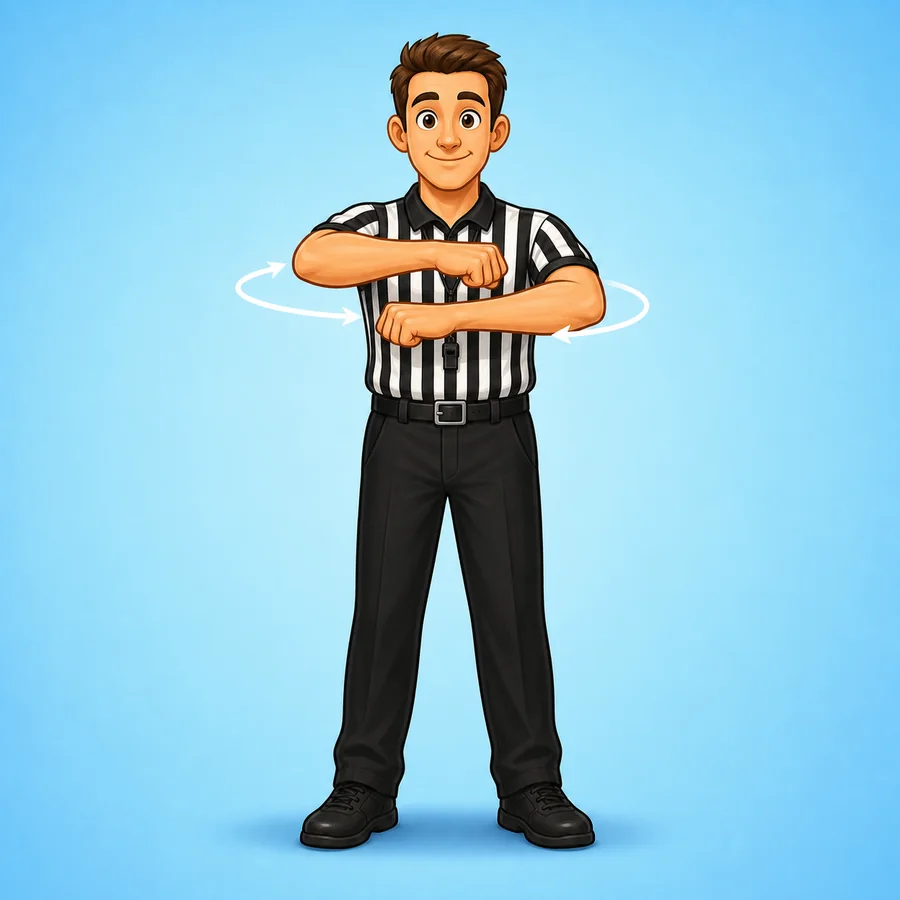
The player moved illegally with the ball without a proper dribble or pivot.
When it happens: Common when young players catch a pass, shuffle their feet, or take extra steps before dribbling.
What parents should know: Traveling is a violation, so the usual result is a turnover and throw-in for the other team, not free throws.
Visual cue: Referee rotates both forearms around each other in front of the body.
Double Dribble
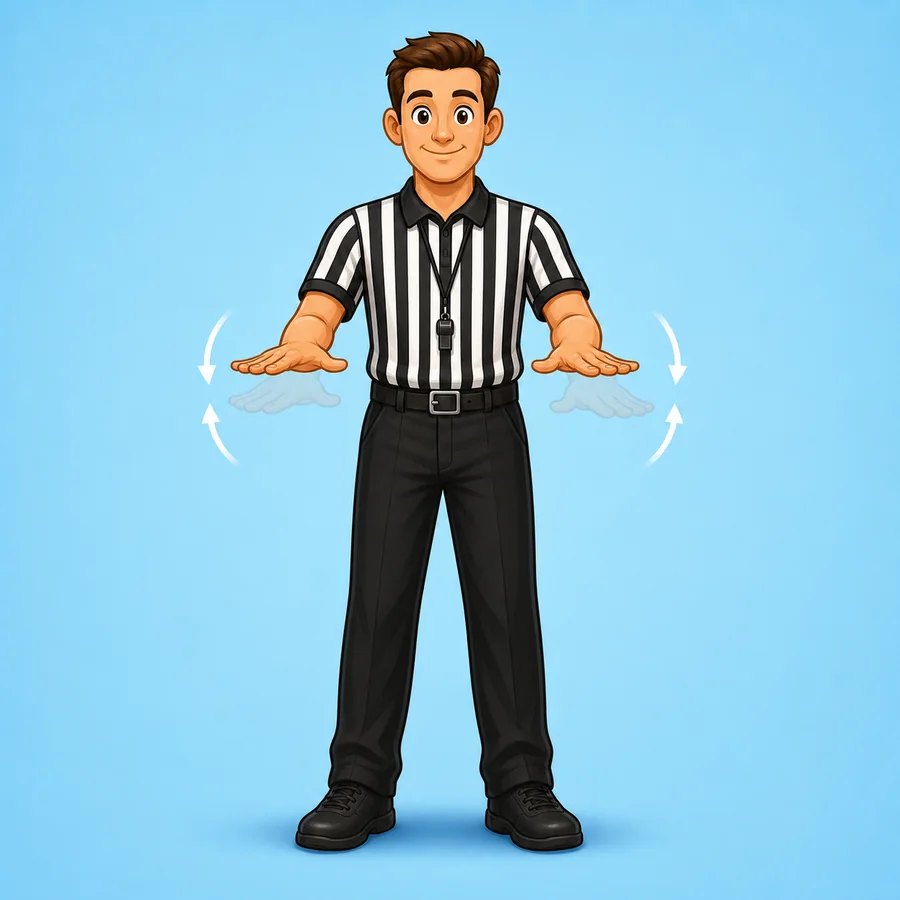
The player dribbled illegally, usually by stopping and starting again.
When it happens: Called after a player picks up the dribble and then dribbles again, or sometimes when using two hands to dribble.
What parents should know: This is a common beginner mistake. It changes possession but is not a personal foul.
Visual cue: Referee moves both hands up and down alternately, like patting two dribbles.
Carrying Or Palming
The ball handler let the hand get too far under the ball while dribbling, giving extra control.
When it happens: Called during dribbling when the referee sees the ball being carried instead of bounced cleanly.
What parents should know: Younger players may hear this called as palming. Enforcement often becomes stricter with age and skill level.
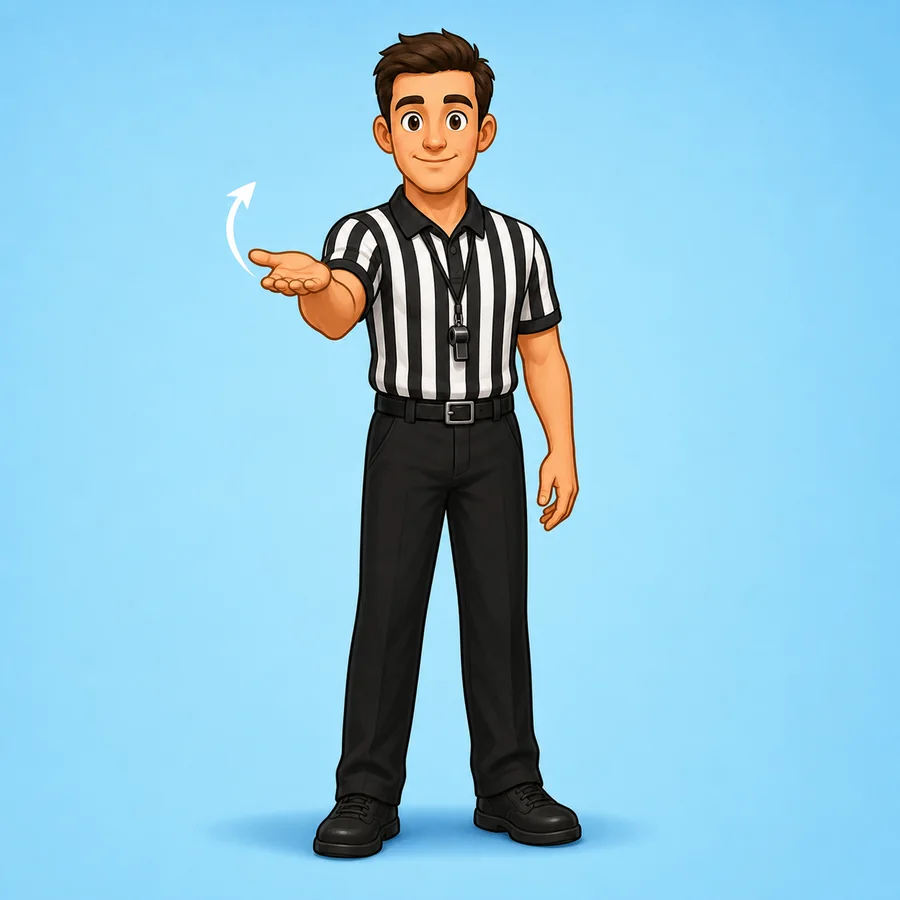
Visual cue: Referee turns one palm upward in a scooping or flipping motion.
Jump Ball Or Held Ball
Two opponents have tied up the ball, or the referee needs an alternating-possession restart.
When it happens: Common on rebounds, loose balls, and scrambles when neither player can safely gain control.
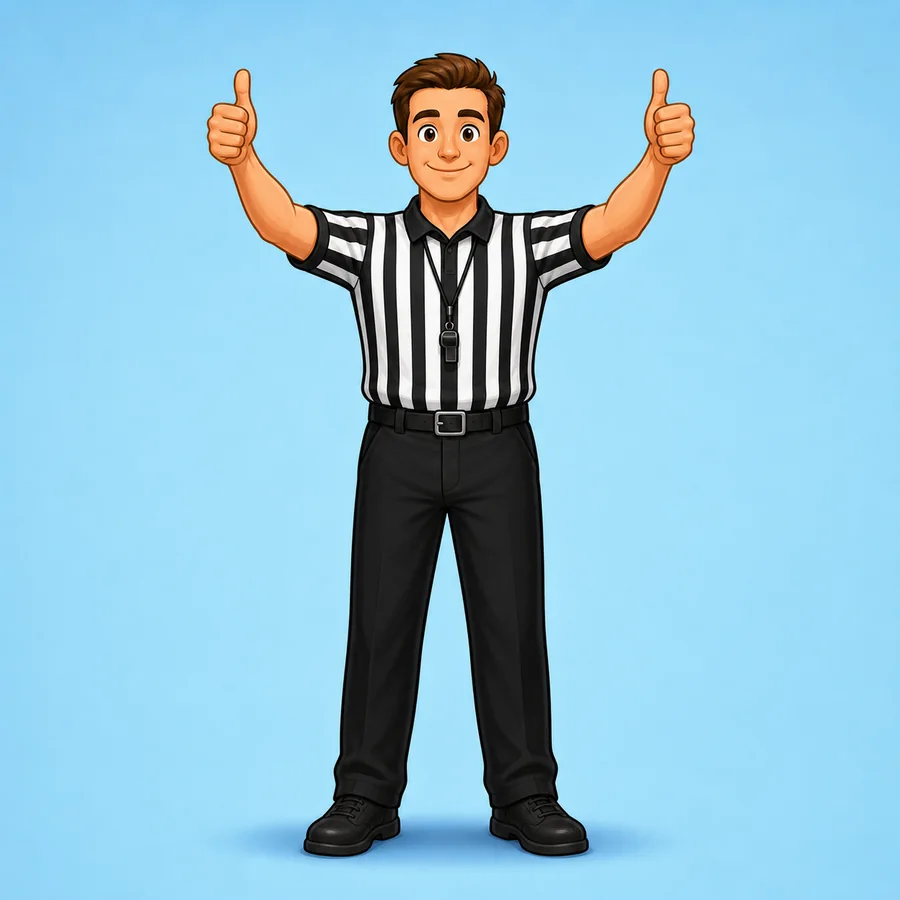
What parents should know: Many youth leagues use a possession arrow, so the team awarded the ball may simply be the next team in the alternating order.
Visual cue: Referee raises both thumbs straight up.
Timeout
Play is stopped because a team or official has called time.
When it happens: During dead balls, after made baskets in some situations, or when a coach requests a stoppage allowed by league rules.
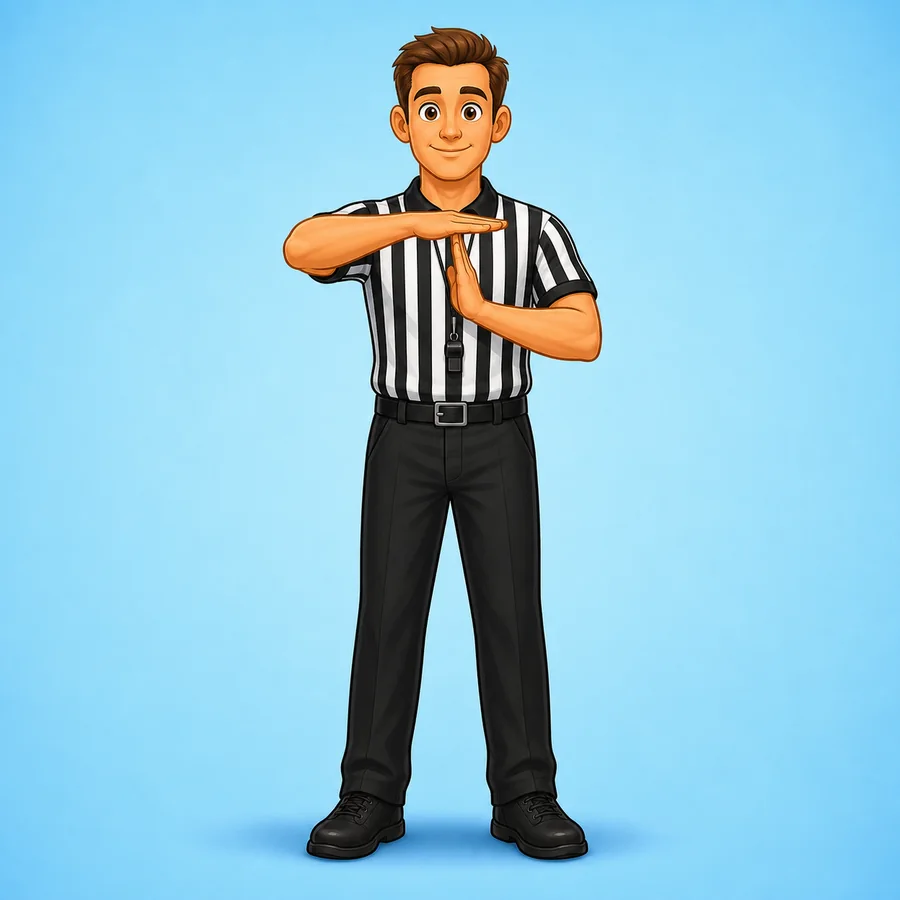
What parents should know: Timeout length and number vary. This is usually a coaching reset, not a penalty.
Visual cue: Referee forms a T shape with both hands or arms.
Substitution
A player is being allowed into the game.
When it happens: At a dead ball or a scheduled substitution window, depending on the league.
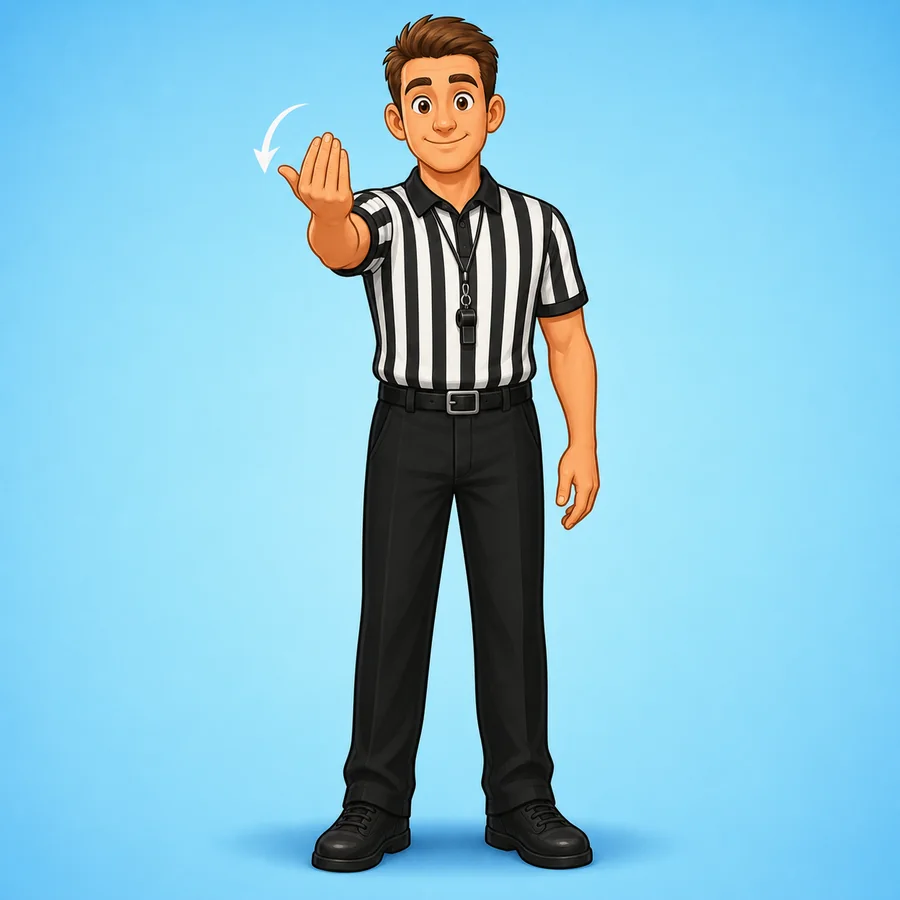
What parents should know: Youth leagues may use substitutions to meet participation rules, not only for strategy or fatigue.
Visual cue: Referee beckons a waiting player onto the court with an open hand.
Free Throw Or Lane Violation
Someone violated the free-throw setup or lane timing rule.
When it happens: When a shooter or lane player steps early, lines up incorrectly, or breaks a local free-throw rule.
What parents should know: The result can be a canceled shot, repeated shot, or possession change depending on who violated and the local rule set.
Visual cue: Referee blows the whistle, raises an open hand, and points to the lane or free-throw area.
Closely Guarded Or Inbound Count
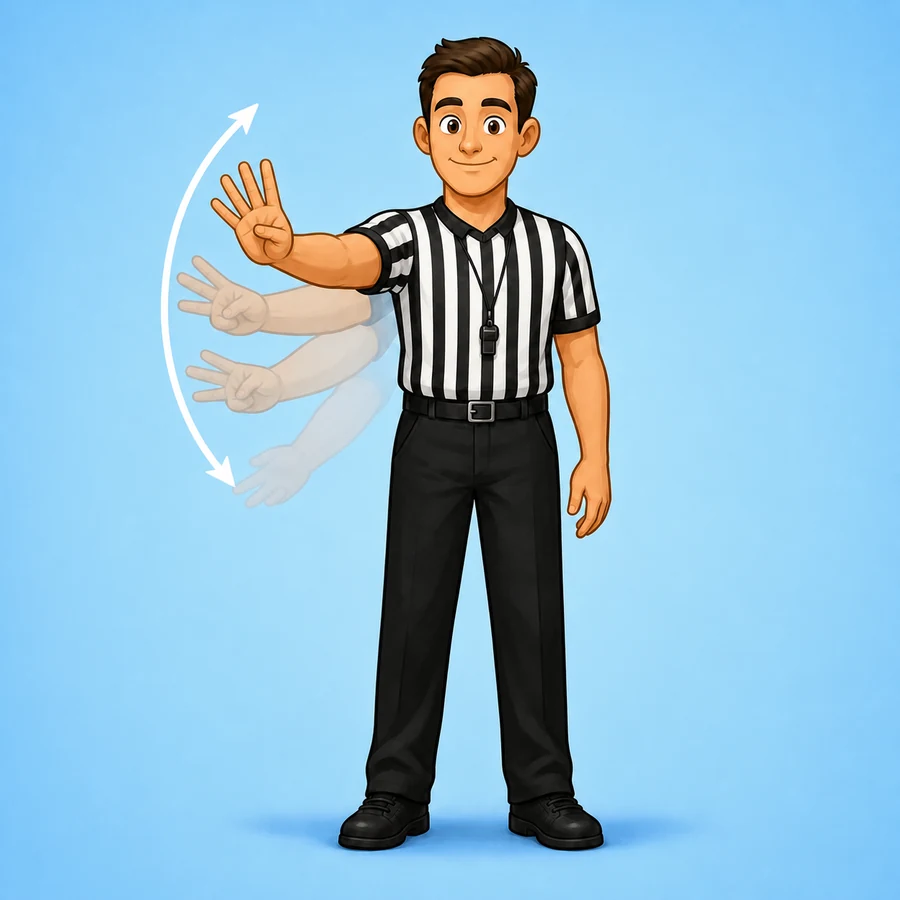
The referee is counting seconds for an inbound pass, closely guarded player, or backcourt advance where that rule applies.
When it happens: You may see a visible arm count while a player holds the ball out of bounds or is pressured by a defender.
What parents should know: If the count reaches the limit, the offense can lose the ball. Exact count rules vary by age and league.
Visual cue: Referee moves one arm in a repeated counting motion, often with fingers or a sweeping arm.