Referee Signals explained in plain English for parents learning Flag Football.
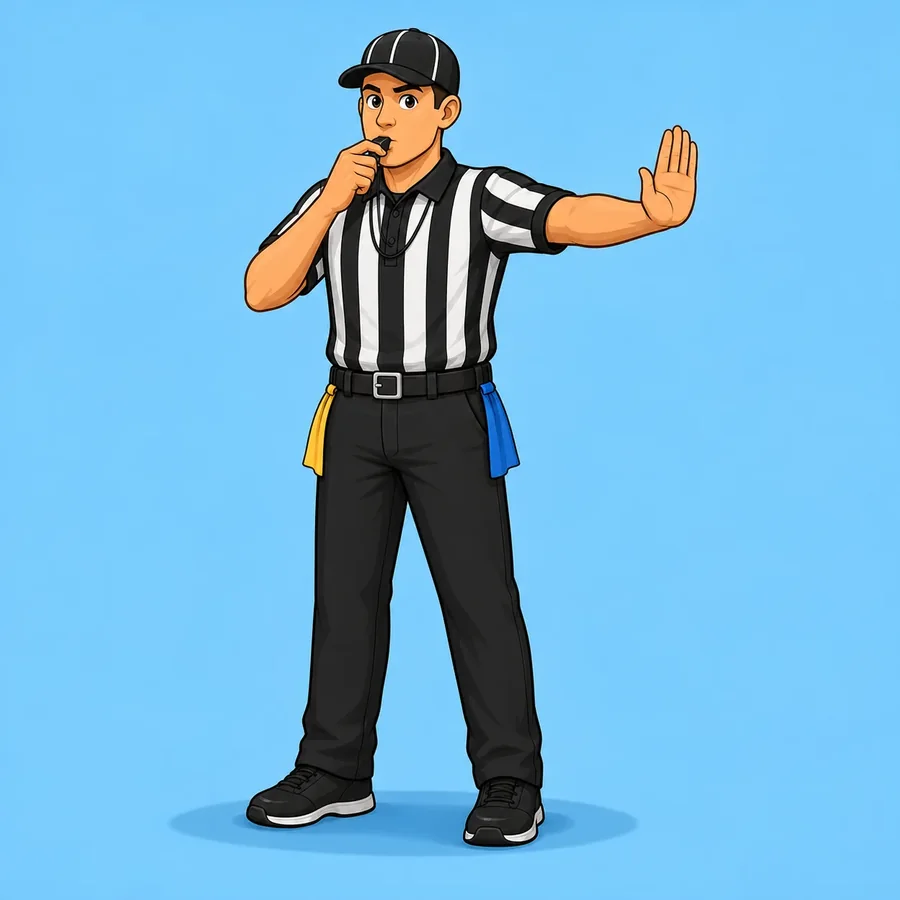
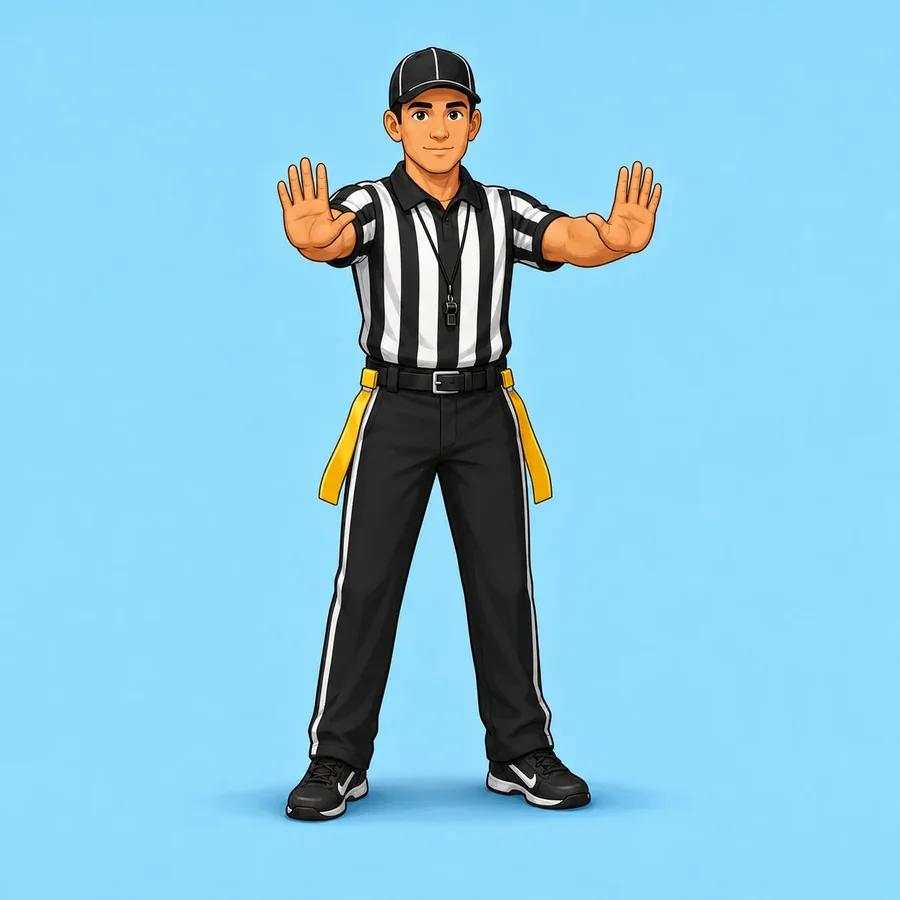
Whistle To Stop Play
The official has stopped the play because a flag was pulled, the ball became dead, a score happened, a penalty occurred, or a restart is needed.
When it happens: At the end of most plays or when the official needs everyone to pause.
What parents should know: The whistle tells players to stop, but the next words or signal explain why. Wait for the spot, down, or penalty explanation.
Visual cue: Official blows the whistle and moves to the spot or gives the next directional or penalty signal.
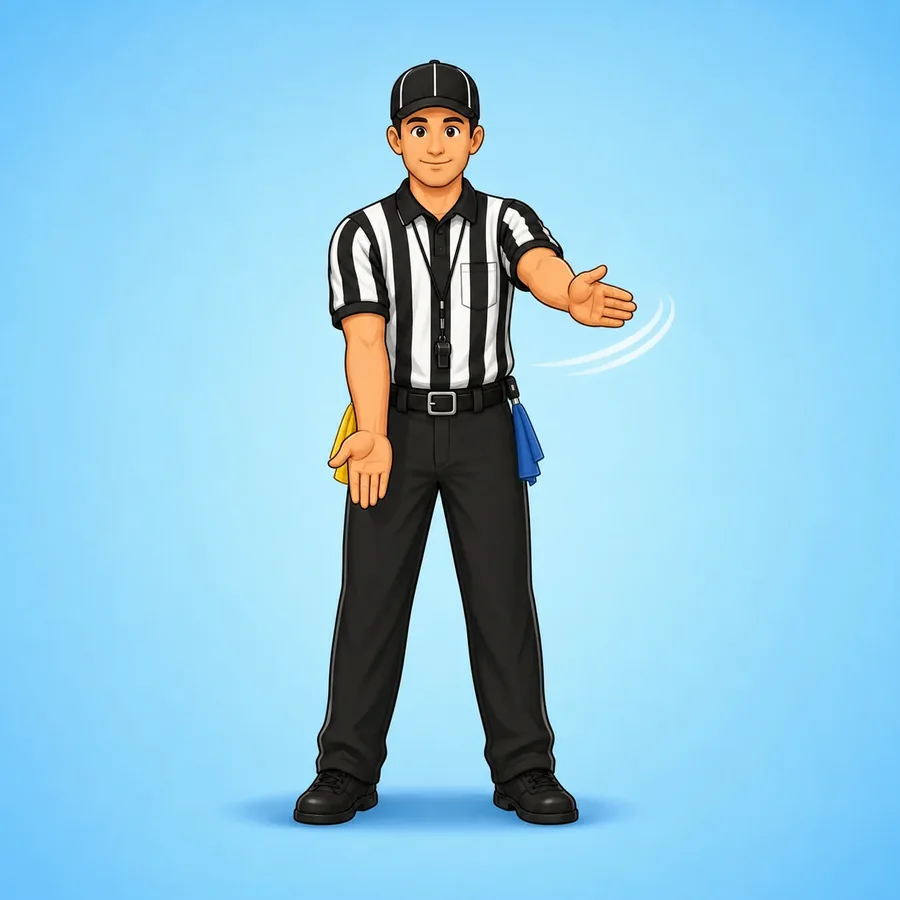
Ready For Play
The official is allowing the next snap after the ball has been spotted and players are set to continue.
When it happens: Before the offense snaps the ball for the next down.
What parents should know: In youth games, officials may also use their voice to help players line up and understand when the play clock starts.
Visual cue: Official stands near the ball, looks at both teams, and gives a verbal ready or hand motion to begin.
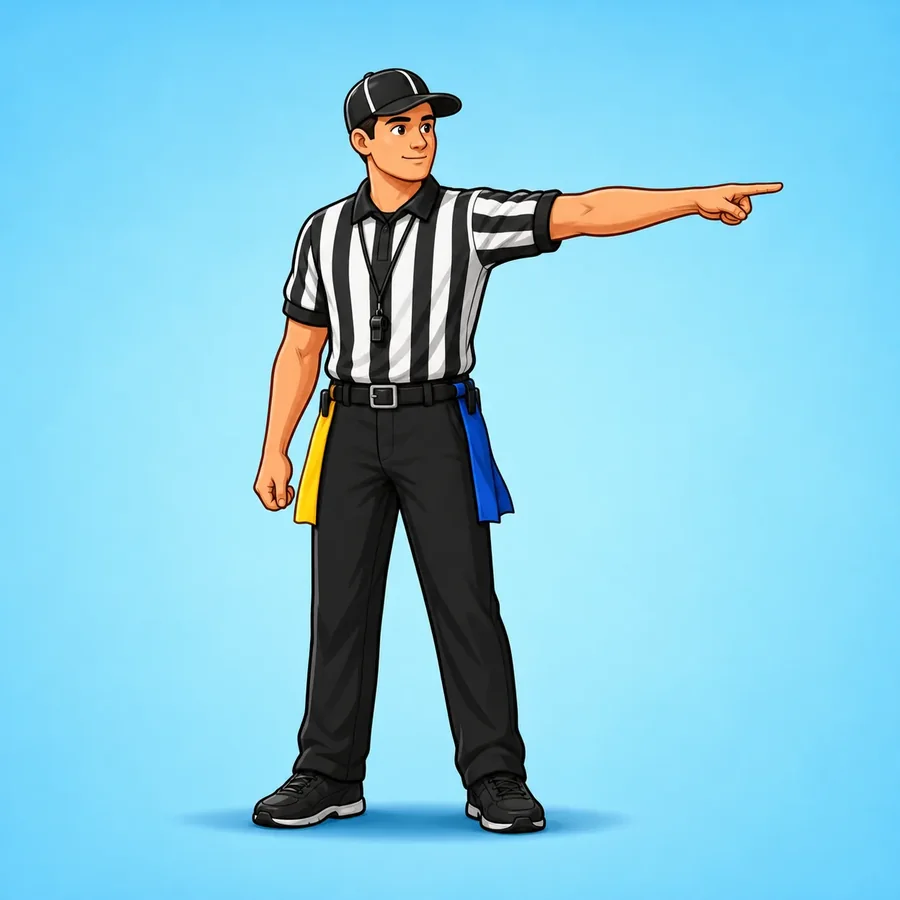
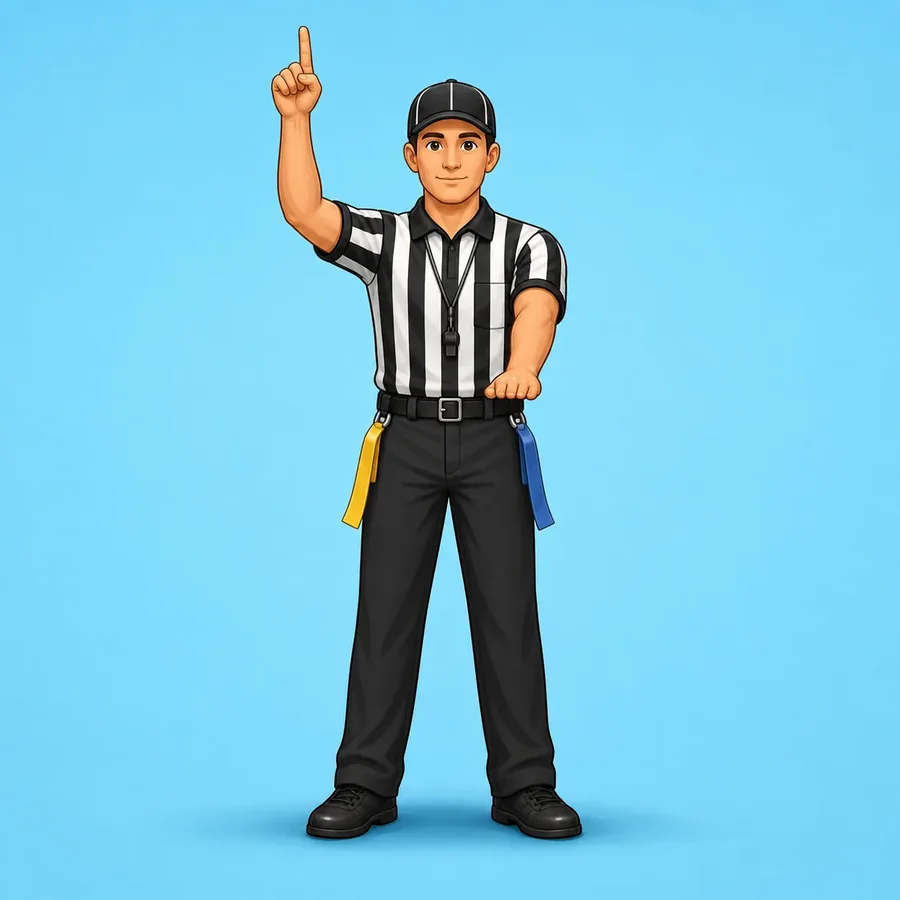
First Down
The offense reached the required marker or zone and gets a fresh set of downs.
When it happens: After a gain reaches midfield, a marked first-down line, or another league-defined zone.
What parents should know: This is a positive result even if the play did not score. It means the offense earned more chances.
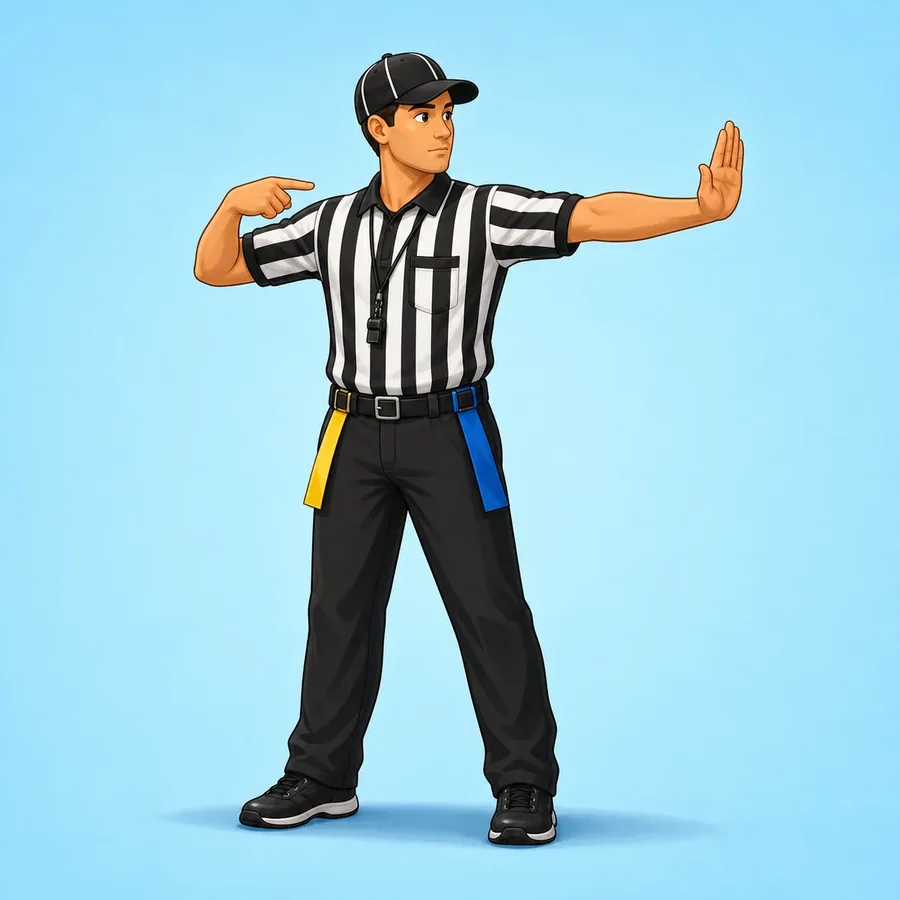
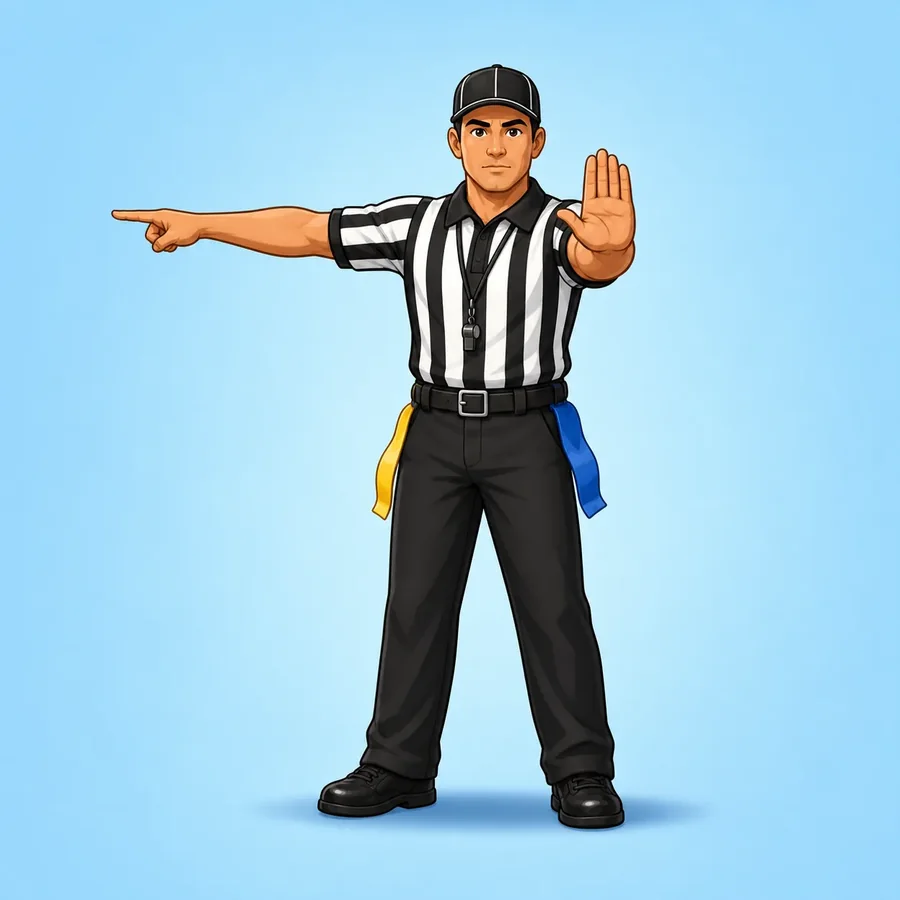
Visual cue: Official points or motions toward the offense's attacking direction and announces first down.
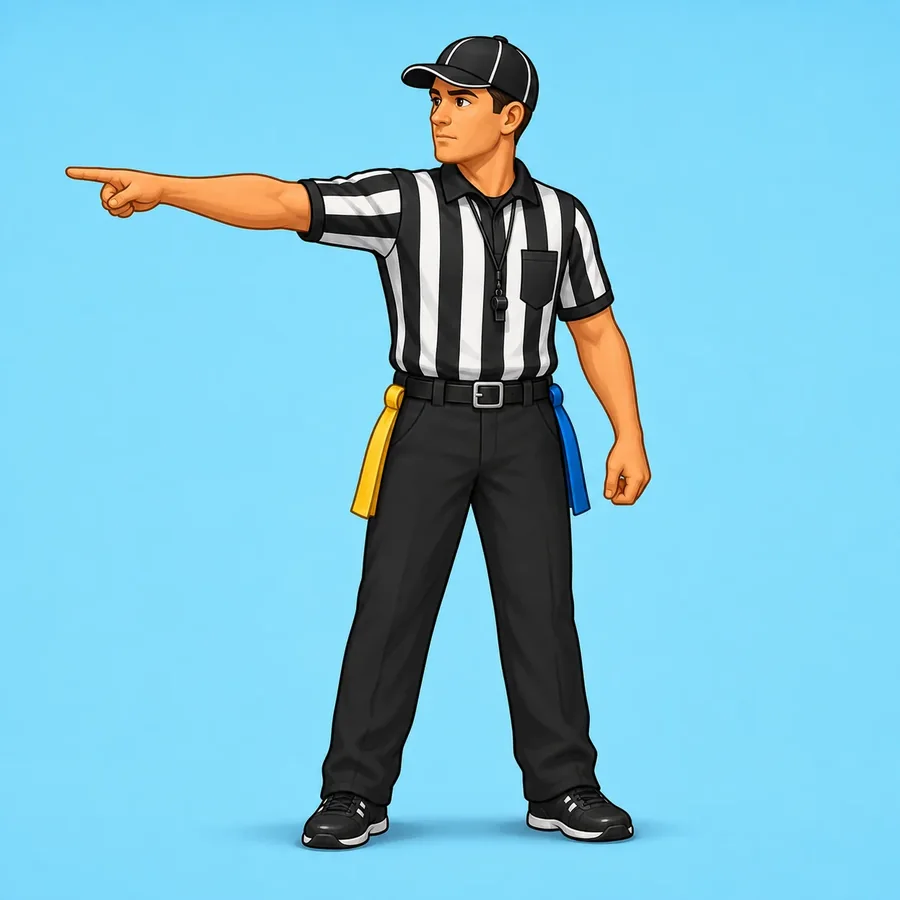
Turnover On Downs
The offense used all of its downs without reaching the next marker or scoring, so the other team gets the ball.
When it happens: After the final allowed down fails to gain enough yardage.
What parents should know: This can look quiet because nobody caught an interception. The clue is that the teams switch offense and defense.
Visual cue: Official announces turnover on downs and points the new offense's direction.
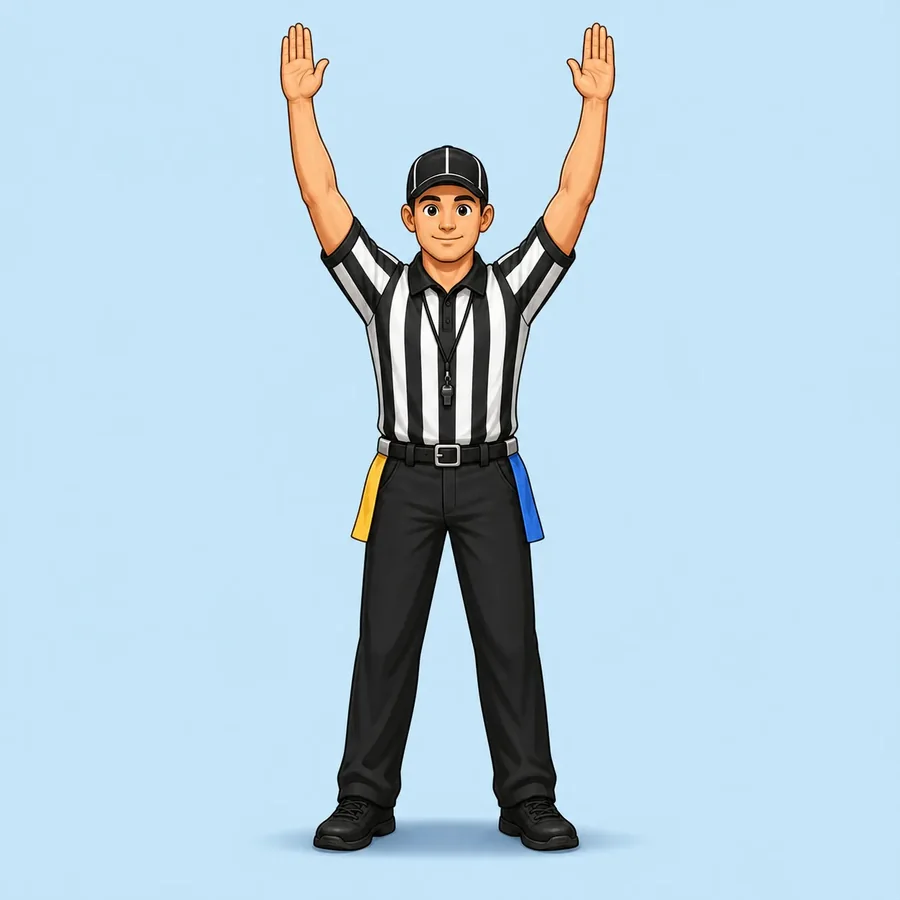
Touchdown
The ball carrier or receiver legally crossed the goal line with possession, so the offense scored.
When it happens: When a run or completed pass reaches the end zone under the local rules.
What parents should know: Check that the player still had flags legally attached and that no penalty flag changes the result.
Visual cue: Official raises both arms straight overhead.
Extra-Point Try
The scoring team is attempting a short play after the touchdown for additional points.
When it happens: Immediately after a touchdown where the league uses try-for-point plays.
What parents should know: The team may choose or be assigned a one-point or two-point distance. The exact values depend on the rule sheet.
Visual cue: Official spots the ball at the try line and announces the point value or distance.
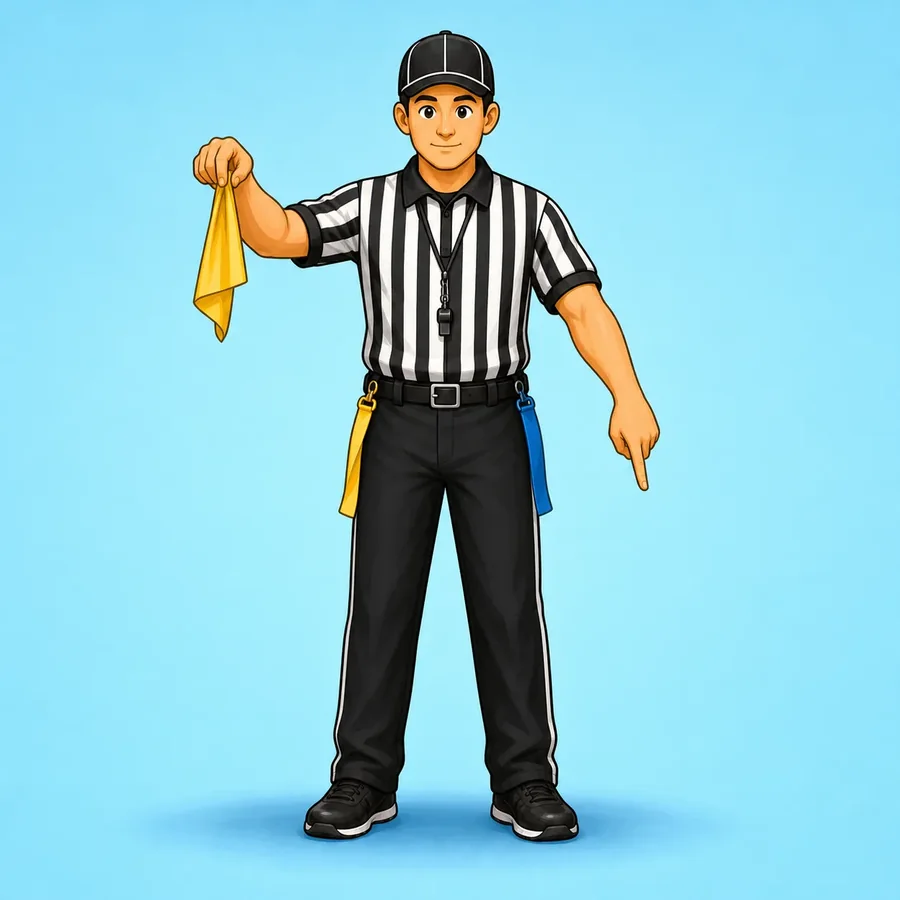
Flag Pull Or Dead Ball
The runner's flag was pulled or the play is otherwise dead at that spot.
When it happens: After a defender removes the ball carrier's flag, the runner steps out, or the play ends by rule.
What parents should know: The next snap usually starts where the official spots the ball, not where the runner stops running after the whistle.
Visual cue: Official marks the spot with a foot or hand and may hold up the pulled flag or point to the spot.
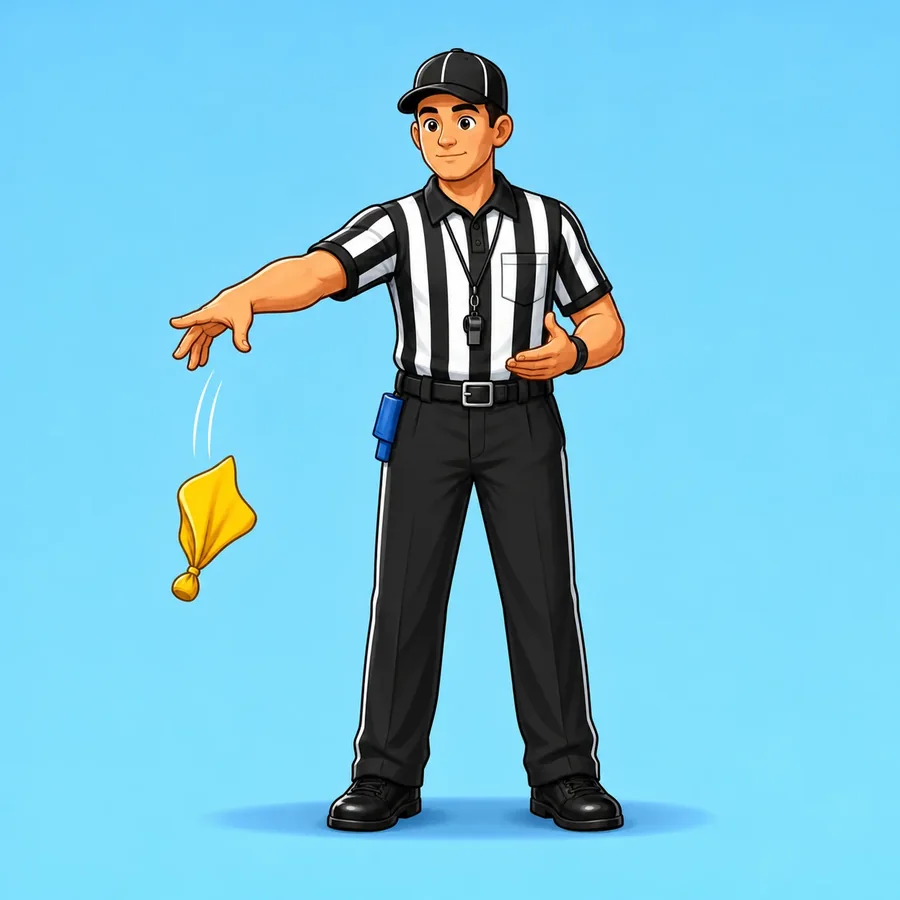
Penalty Flag Thrown
The official saw a possible rule violation and has marked it for enforcement or explanation.
When it happens: During or after plays involving contact, early movement, flag guarding, illegal rushing, holding, or pass interference.
What parents should know: A penalty flag does not always mean the play is over immediately. Wait for the official's explanation before assuming the result.
Visual cue: Official throws or drops a small flag, then explains the foul and enforcement after the play.
False Start
An offensive player moved early or simulated the start of the play before the snap.
When it happens: Before the snap when players are supposed to be set.
What parents should know: This is common with young players learning cadence. It usually resets the down with a small penalty or teaching reminder.
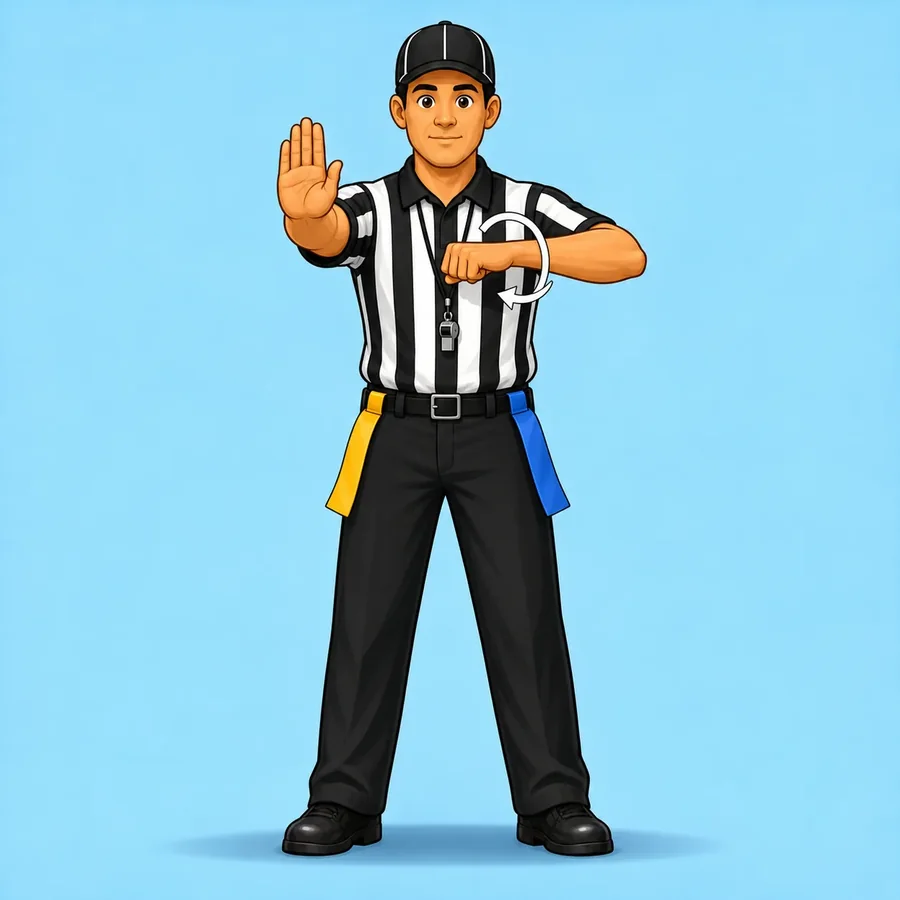
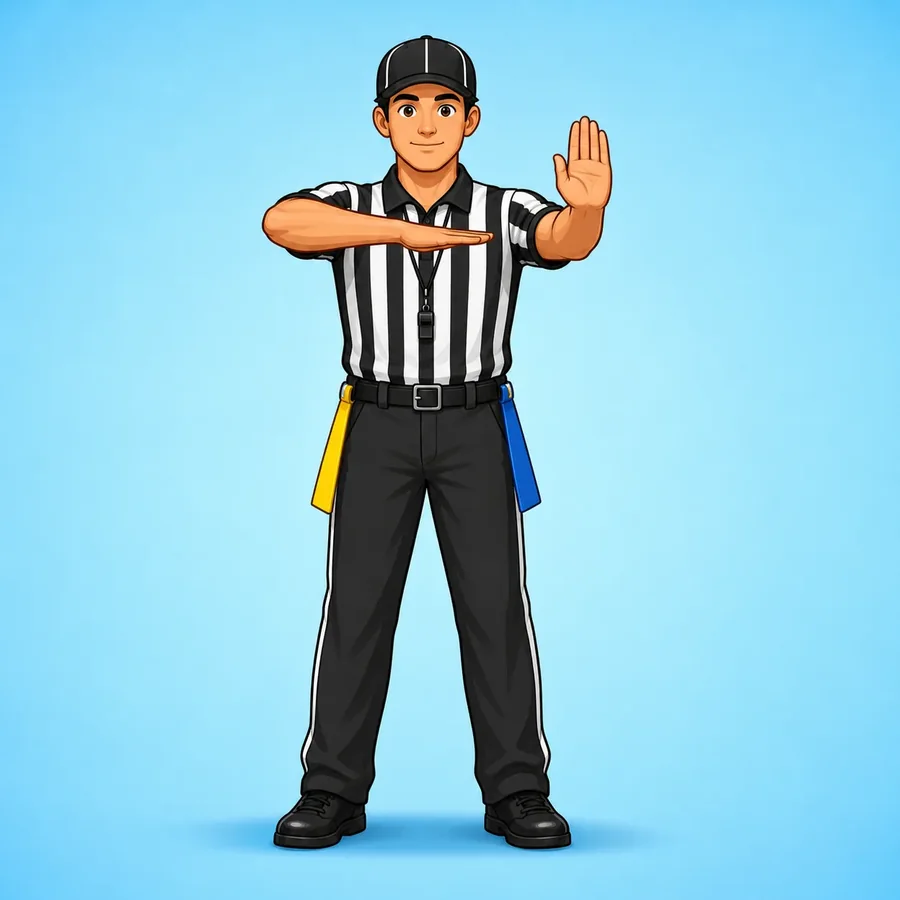
Visual cue: Official stops play quickly, points to the offense, and may roll arms or verbally announce false start.
Illegal Contact
A player used contact that is not allowed in flag football, such as blocking, pushing, charging, holding, or tackling.
When it happens: When contact affects a runner, defender, receiver, or rusher in a no-contact format.
What parents should know: Flag football is not tackle football. This call protects space and teaches players to pull flags instead of using force.
Visual cue: Official signals the offending team and explains the contact, often with a pushing or holding motion.
Flag Guarding
The ball carrier illegally protected the flag from being pulled.
When it happens: When a runner swats a hand away, covers the flag, lowers into a defender, or uses the ball/body to shield the flag unfairly.
What parents should know: This is one of the most common youth-game calls and can erase a big run. It teaches runners to evade without blocking the flag.
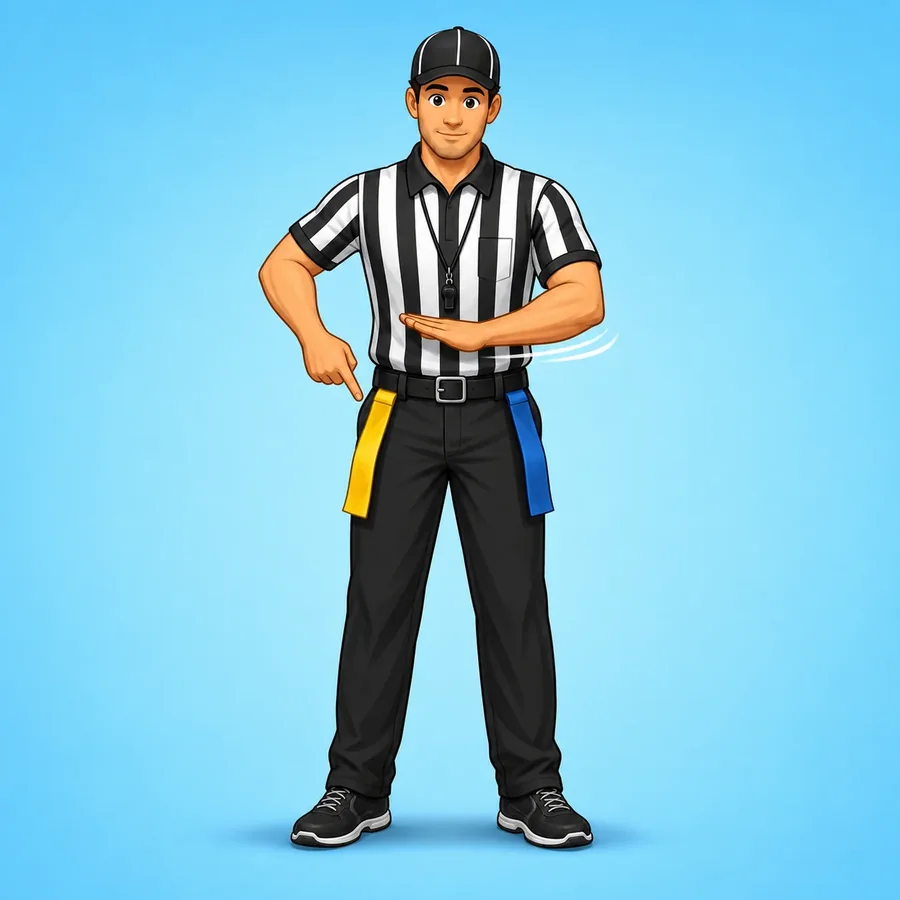
Visual cue: Official points to the runner's waist or demonstrates the guarding motion while announcing flag guarding.
Illegal Rush Or Blitz
A defender rushed the quarterback too early, from the wrong spot, or when rushing was not allowed.
When it happens: On pass plays where the league has a rush count, rush line, or no-rush rule.
What parents should know: If a defender seems fast off the line, the key question is whether the local rush rule allowed it.
Visual cue: Official points to the defense and announces illegal rush, blitz, or early rush.
Pass Interference
A player illegally prevented an opponent from catching a pass before the ball arrived.
When it happens: During a pass to a receiver or defender trying to make a play on the ball.
What parents should know: Some contact while tracking the ball may be incidental, but grabbing, blocking, or cutting off a fair catch attempt can draw a call.
Visual cue: Official points to the spot or team and may use a pushing or arm-across-body motion while explaining interference.
Delay Of Game
A team took too long to snap the ball, reset, or follow the official's ready-for-play instruction.
When it happens: Before the snap when the offense does not start the next play in time.
What parents should know: At younger ages, officials may warn first. Older divisions may enforce the penalty more strictly.
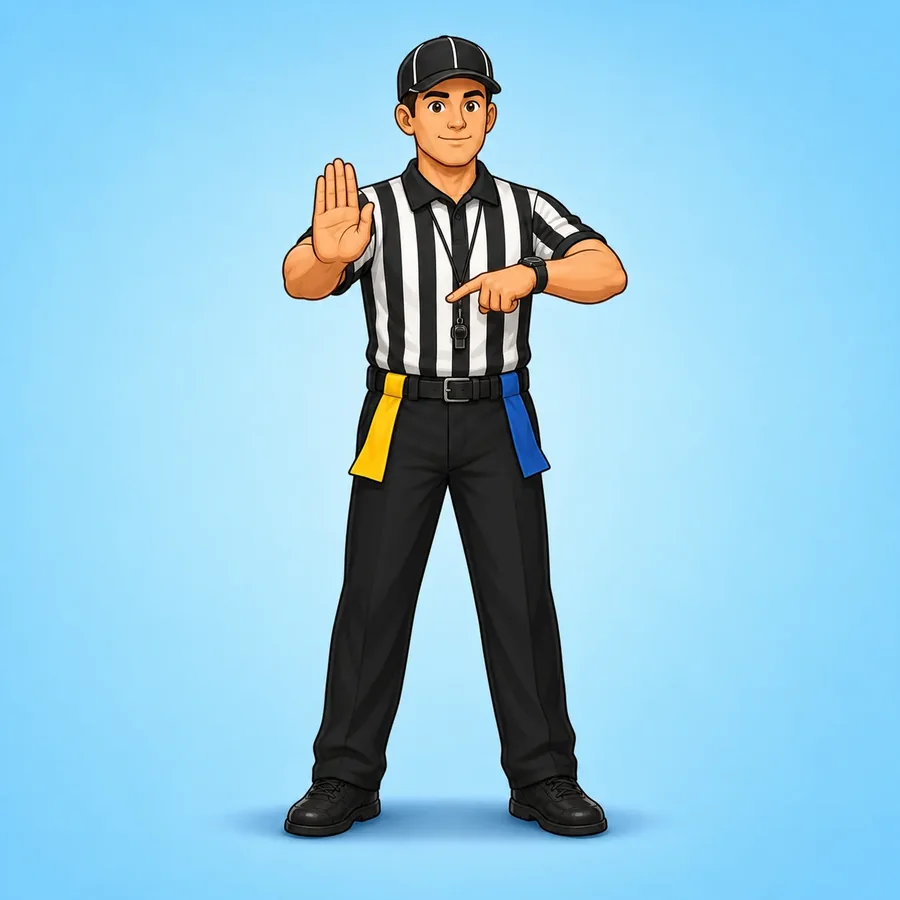
Visual cue: Official taps or points to the wrist or announces delay of game before marking off the penalty.
Unsportsmanlike Conduct
A player, coach, or sideline behavior crossed the line for respectful youth play.
When it happens: After taunting, arguing, unsafe celebration, refusal to follow instructions, or other conduct issues.
What parents should know: This call is about behavior, not normal excitement. Parents can help by staying calm and letting coaches handle the conversation.
Visual cue: Official stops play, identifies the team or sideline, and announces unsportsmanlike conduct.
Timeout
A team or official has stopped the game clock or play sequence for a short break.
When it happens: When a coach requests a timeout, an official needs to reset play, or a player needs attention.
What parents should know: Timeout rules vary, but the practical cue is that both teams can gather briefly before play resumes.
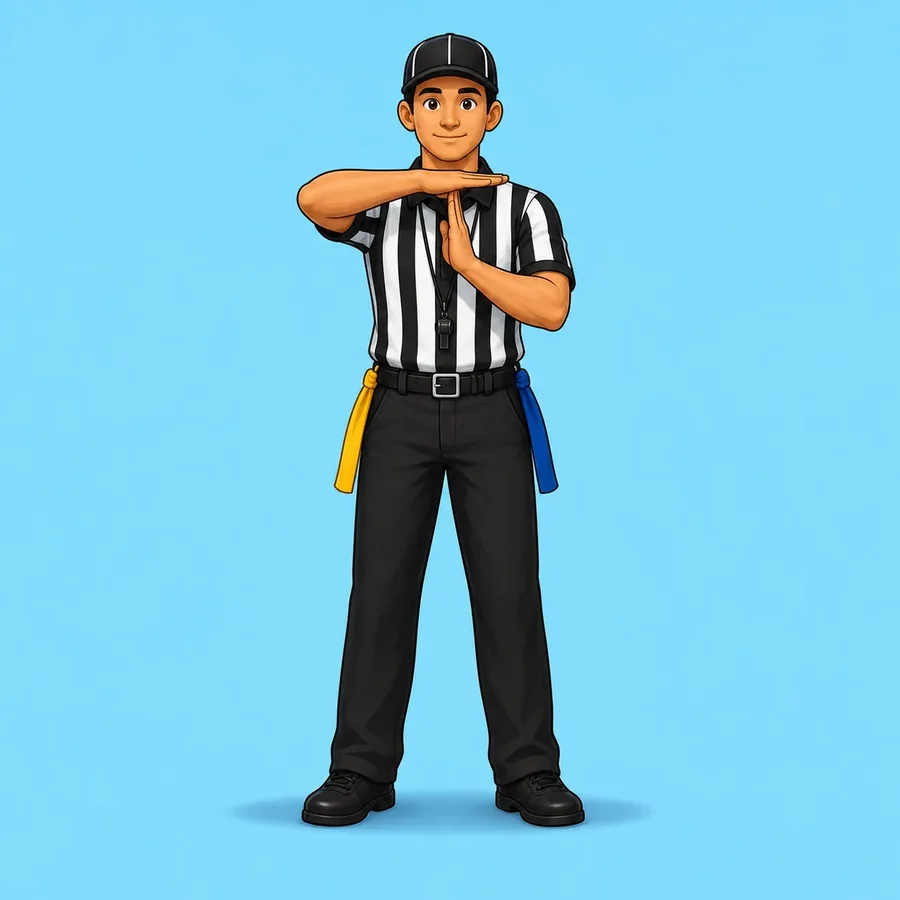
Visual cue: Official forms a T with both hands or verbally announces timeout.