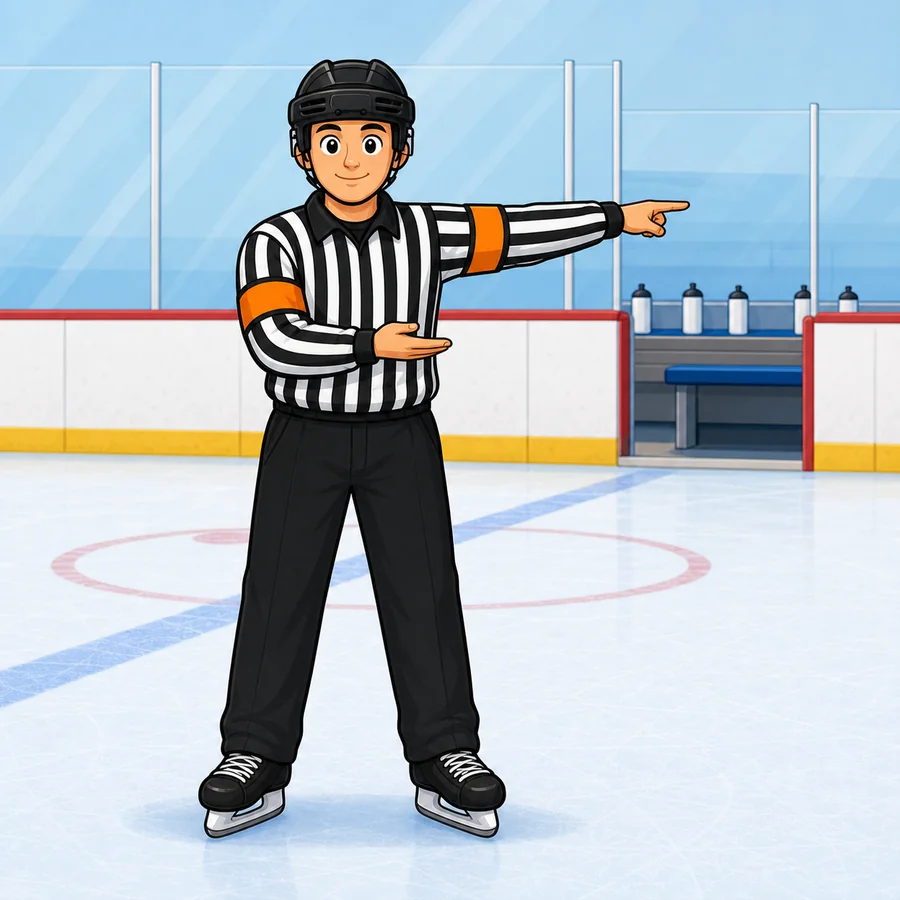
Referee Signals explained in plain English for parents learning Hockey.
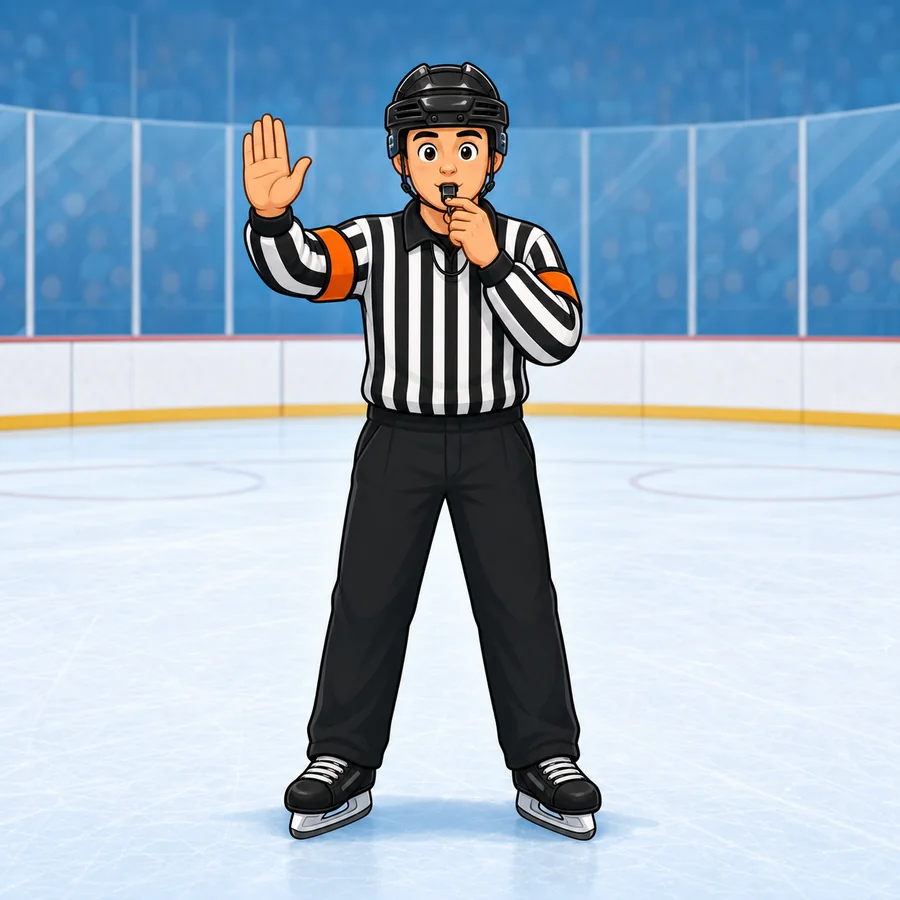
Whistle To Stop Play
The official has stopped live play for a rule call, covered puck, out-of-play puck, goal, injury, penalty, or other restart.
When it happens: Any time players need to stop and wait for the next faceoff or decision.
What parents should know: The whistle alone does not tell the whole story. Look next at the arm signal and where the faceoff will be.
Visual cue: Official blows the whistle, then gives the signal or points to the next faceoff area.
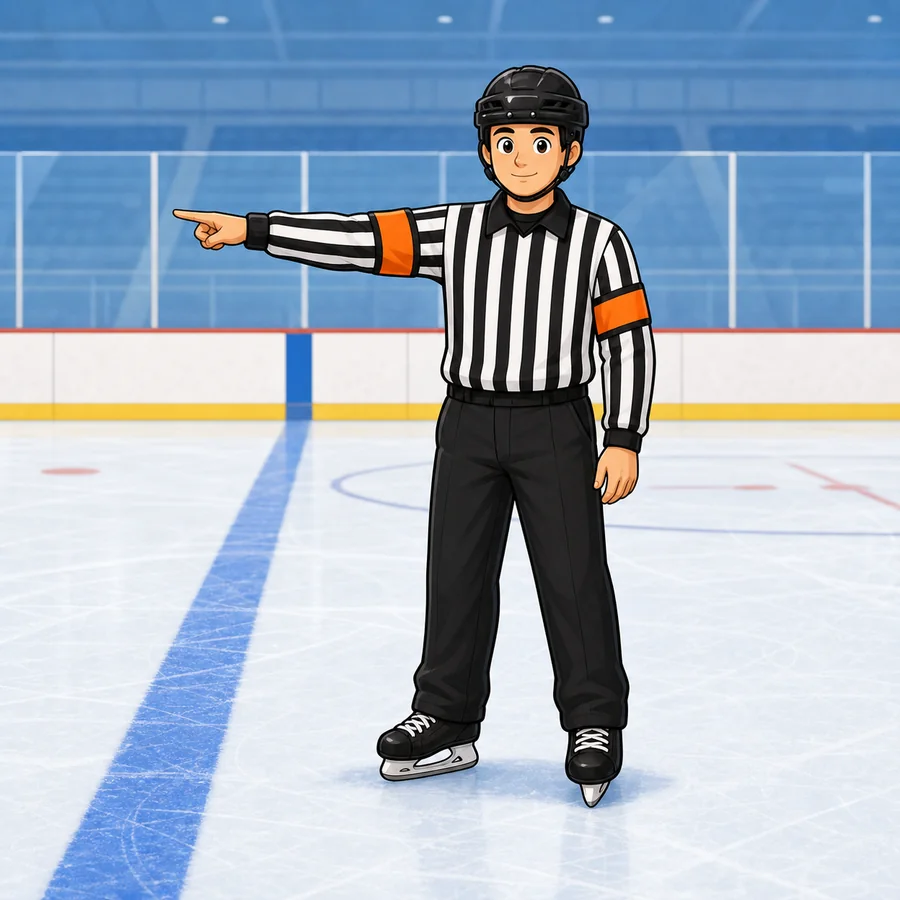
Offsides
An attacking player entered the offensive zone before the puck crossed the blue line.
When it happens: Called at the attacking blue line when the puck and players enter in the wrong order.
What parents should know: Think puck first, then players. Some youth leagues use delayed offsides, so players may be told to tag up instead of hearing an immediate whistle.
Visual cue: Official extends an arm and points or motions toward the blue line or neutral-zone faceoff spot.
Icing
A team sent the puck from its own side of the ice all the way past the other team's goal line without it being played.
When it happens: Called after a long clear or dump-in that meets the league's icing rule.
What parents should know: Icing is usually a stoppage, not a penalty. The faceoff often comes back near the team that iced the puck.
Visual cue: Official folds arms across the chest or signals icing while skating to stop play.
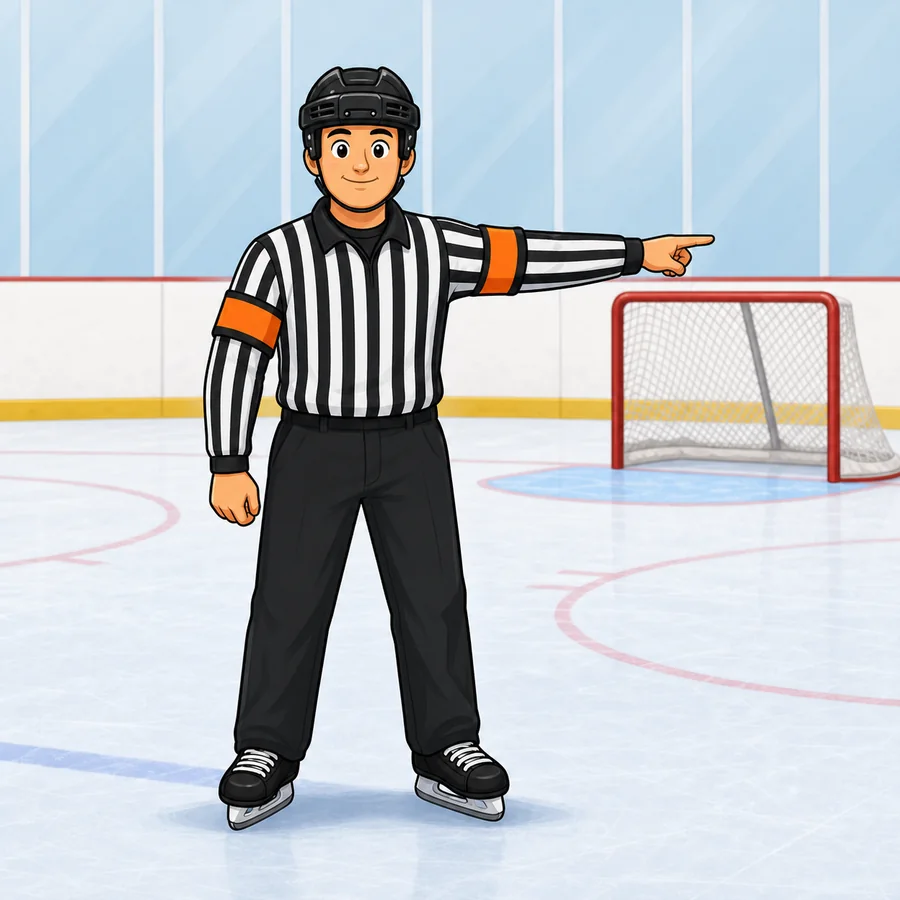
Goal Awarded
The puck legally crossed the goal line into the net and the goal counts.
When it happens: After a shot, rebound, deflection, or loose puck enters the net legally.
What parents should know: Wait for the signal on close plays near the crease. Officials may wave off a goal for goalie interference or another reason.
Visual cue: Official points toward the net or center ice to confirm the goal and restart.
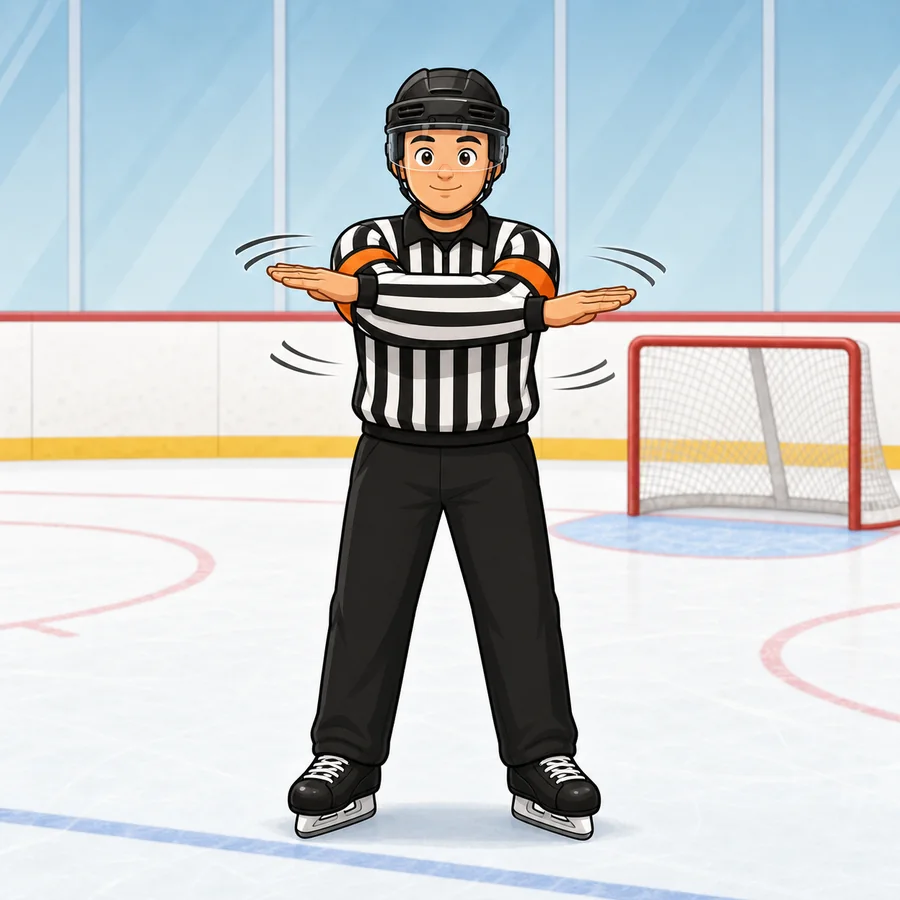
No Goal Or Washout
The official is showing that the puck in the net does not count or that play should continue without a goal.
When it happens: After a possible goal where the official judges the puck did not legally enter or another rule cancels it.
What parents should know: This can happen quickly after crease contact, a high stick, a kicked puck, or a puck that never fully crossed the line.
Visual cue: Official waves both arms side to side in a washout motion.
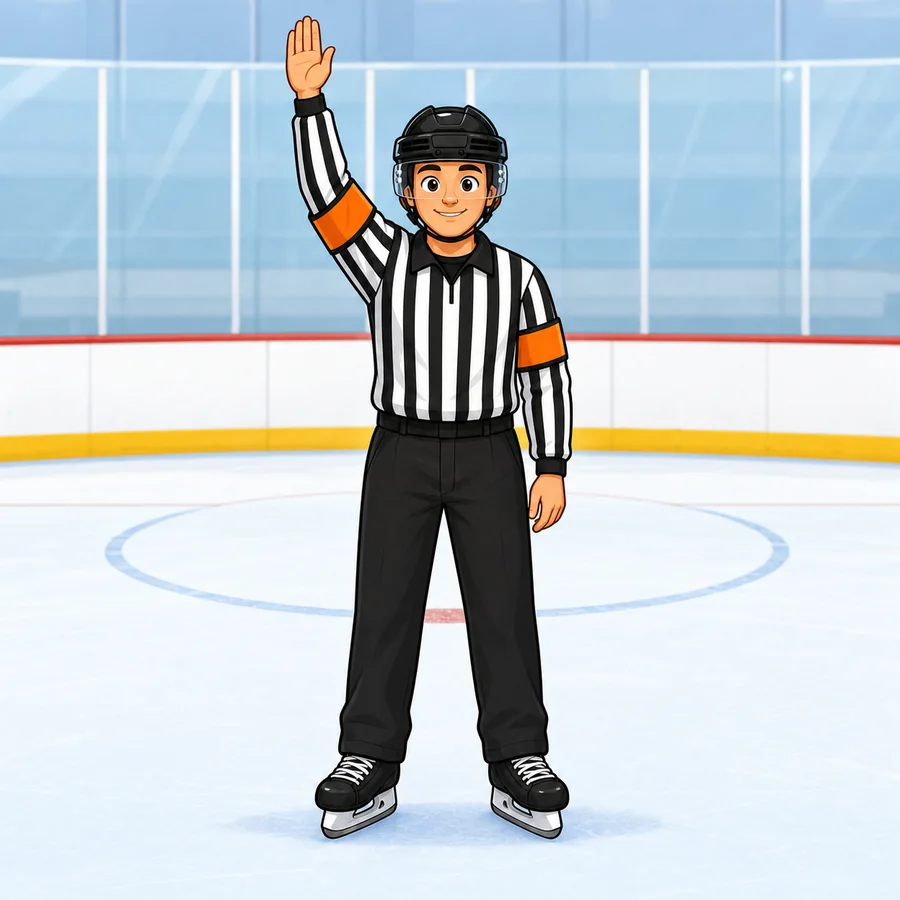
Delayed Penalty
A penalty has been observed, but play continues until the penalized team gains control or the play stops.
When it happens: When the non-penalized team still has the puck and an immediate whistle would take away its chance to attack.
What parents should know: A raised arm means a penalty is coming. The whistle may wait, so keep watching until possession changes or play stops.
Visual cue: Official raises one arm straight up and keeps it up until the whistle.
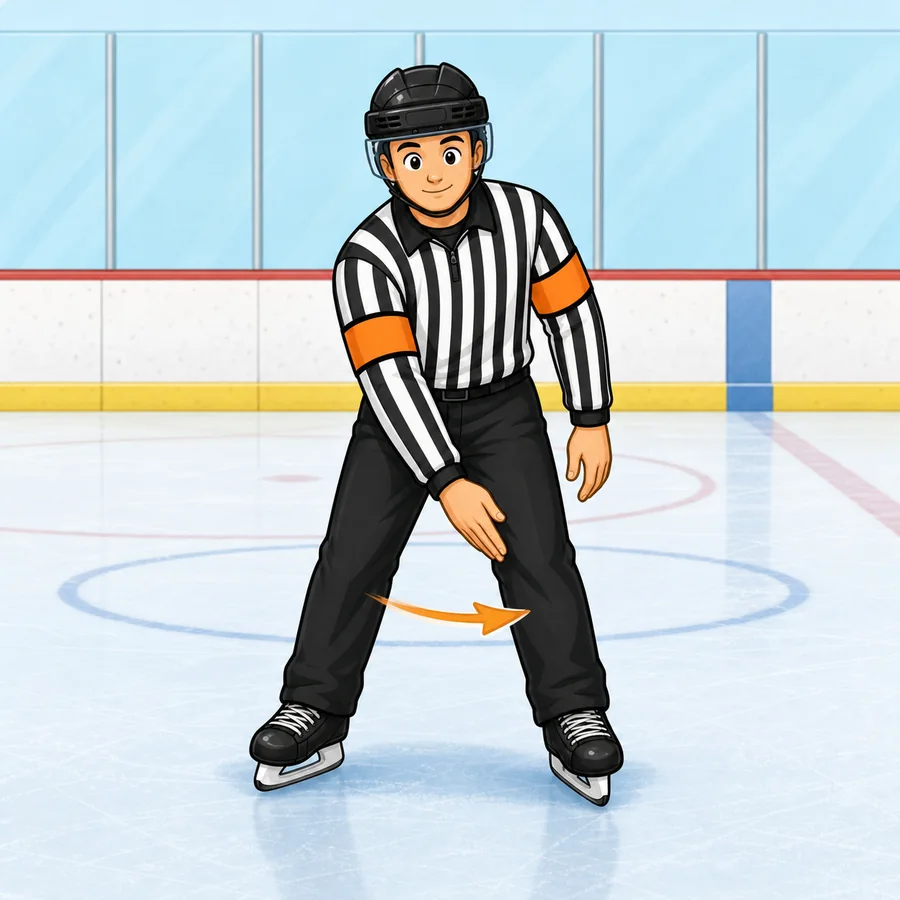
Tripping
A player used a stick, skate, leg, or body action to cause an opponent to fall or lose balance illegally.
When it happens: Common when a player reaches for the puck and gets an opponent's skates instead.
What parents should know: In youth games this is often a stick-control teaching call, not proof that a player meant to hurt someone.
Visual cue: Official makes a chopping or sweeping motion near the lower leg area to show tripping.
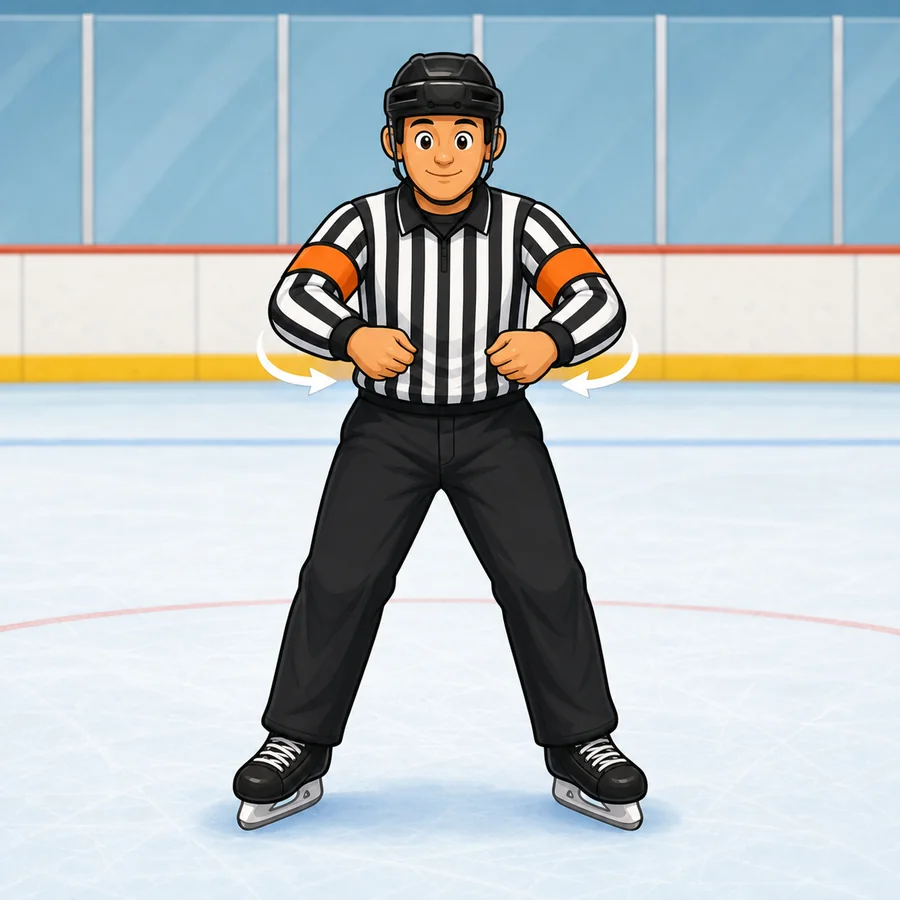
Hooking
A player used the stick like a hook to slow, hold, or pull an opponent.
When it happens: Called when a stick blade or shaft catches hands, arms, hips, or equipment to restrain movement.
What parents should know: A small hook can matter because it takes away skating speed or balance.
Visual cue: Official makes a tugging motion with both hands as if pulling a stick or hook.
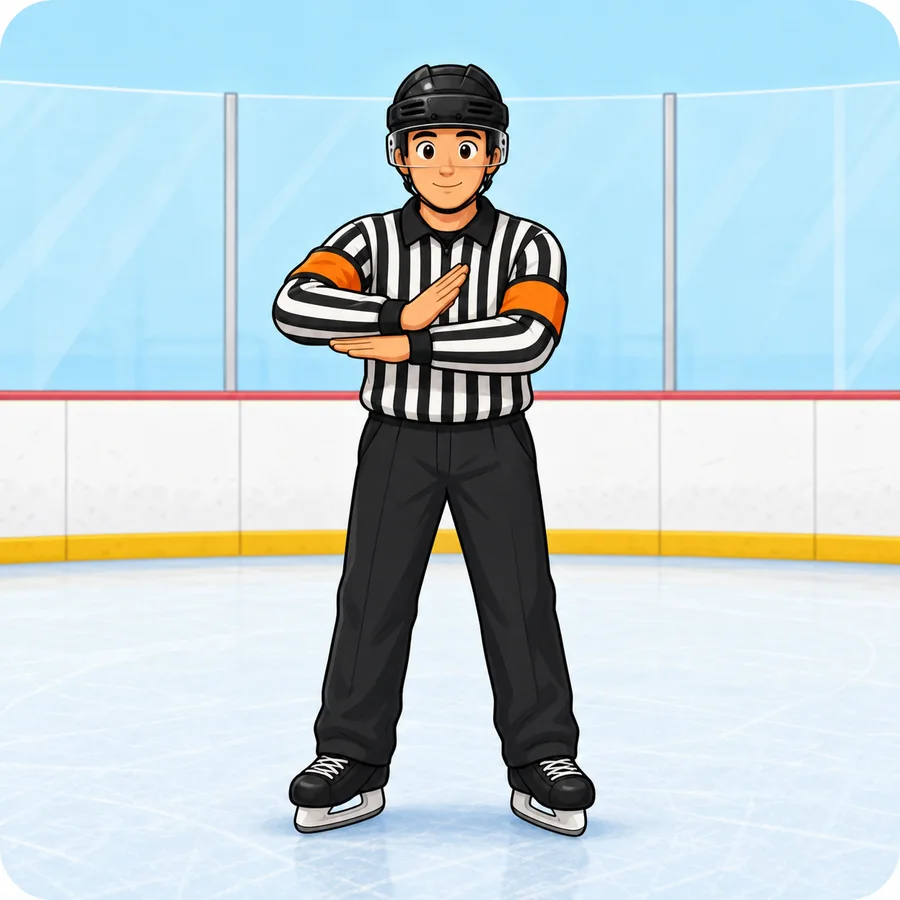
Slashing
A player swung or chopped the stick at an opponent or opponent's stick in an unsafe or illegal way.
When it happens: Called after stick contact that is more than a normal puck battle.
What parents should know: Youth officials may call slashing tightly because stick swings can escalate quickly.
Visual cue: Official chops one forearm with the edge of the opposite hand.
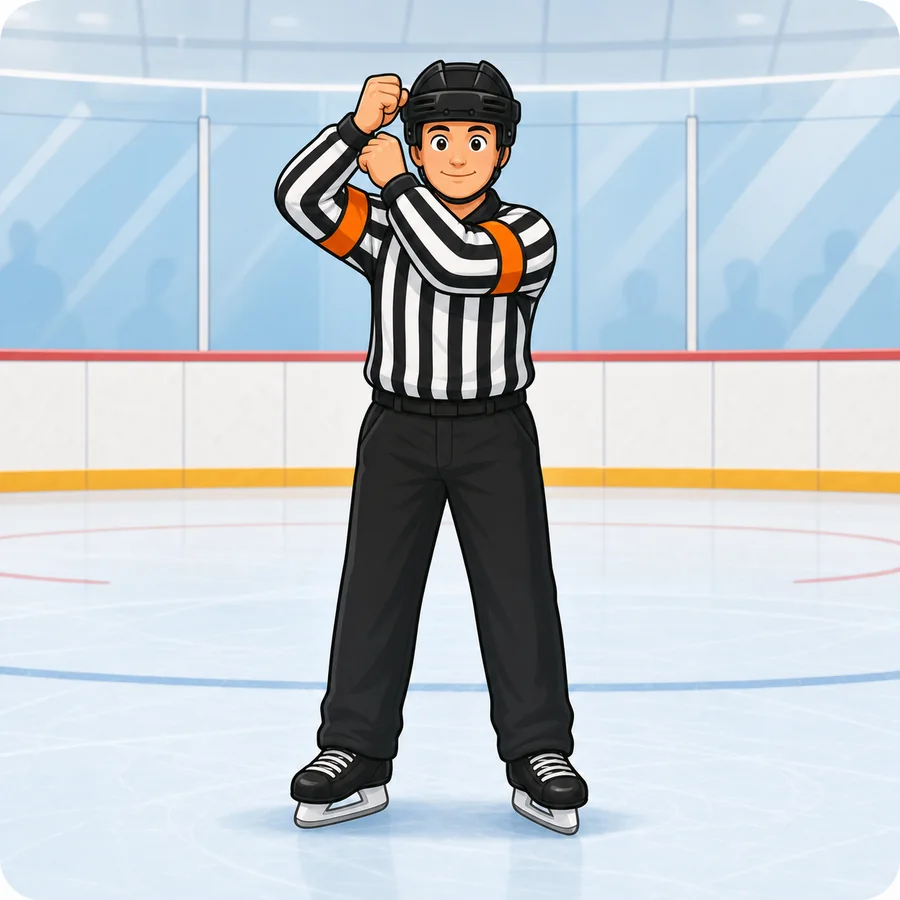
High Sticking
A player carried or used the stick too high and contacted or endangered another player.
When it happens: Called when the stick comes up near an opponent's upper body or head area, or when local rules stop high-stick puck contact.
What parents should know: Even accidental high sticks can be penalties because players are responsible for controlling their sticks.
Visual cue: Official holds both fists one above the other near the side of the head or signals high-stick height.
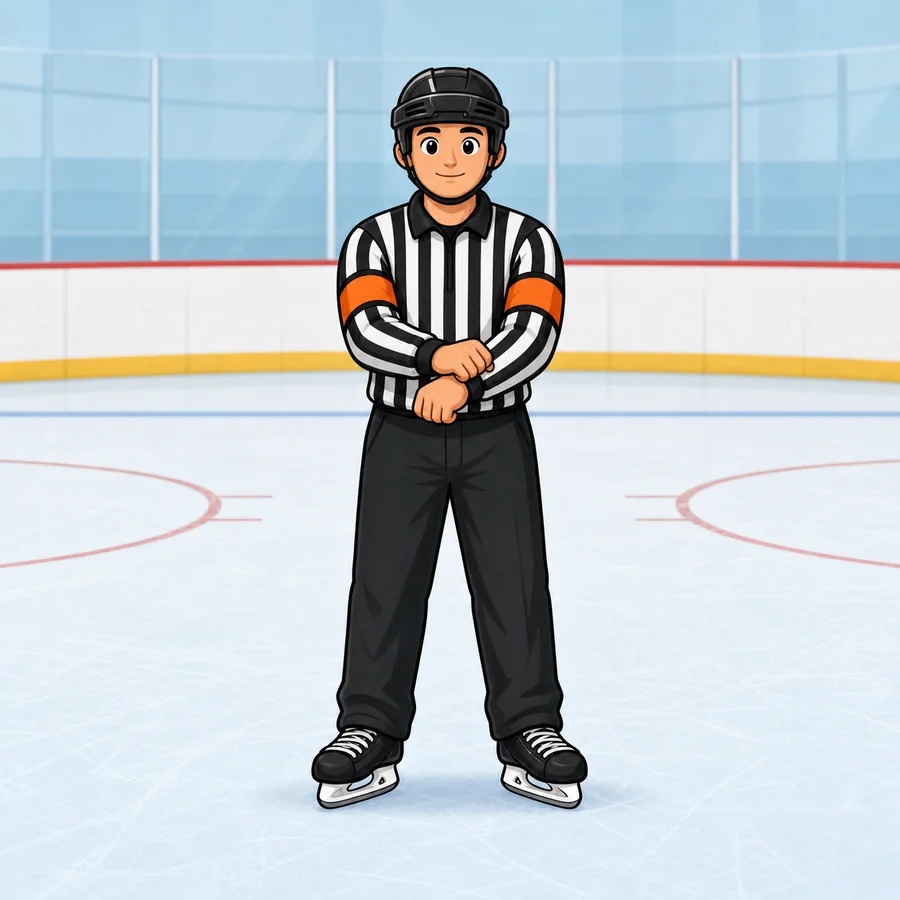
Holding
A player used hands, arms, or body position to grab or restrain an opponent illegally.
When it happens: Called when a player prevents an opponent from skating freely without making a legal puck play.
What parents should know: Holding may look small from the stands, but it can stop a skater from joining the play.
Visual cue: Official clasps one wrist with the other hand in front of the body.
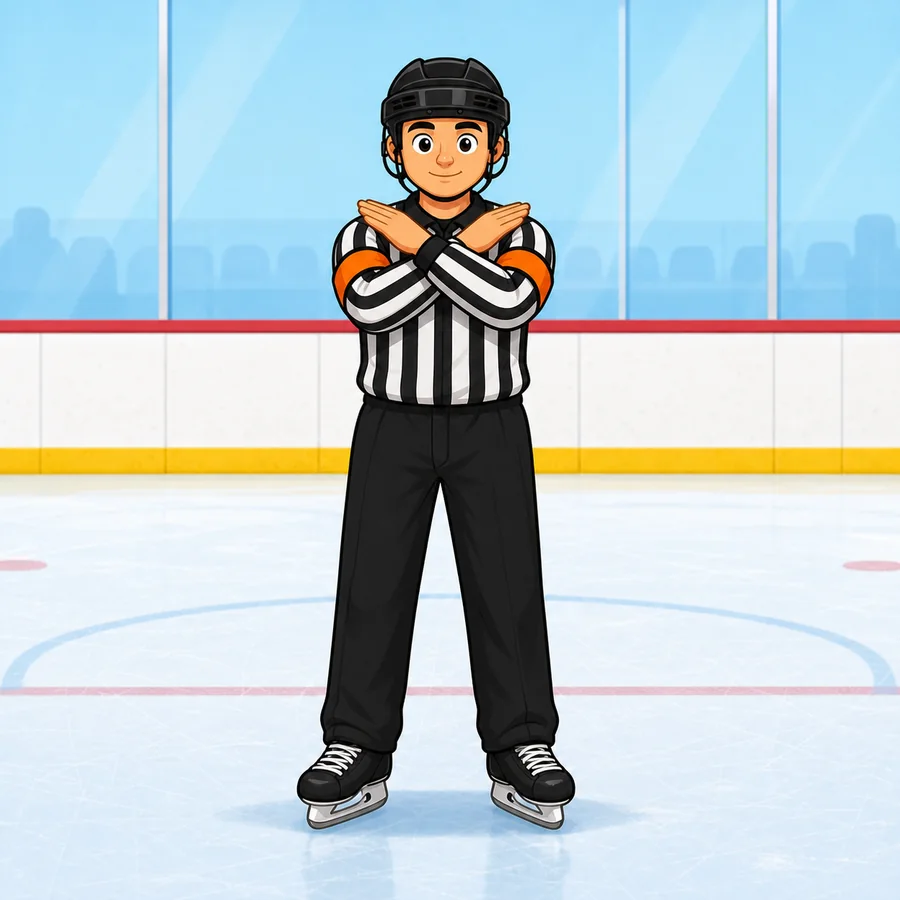
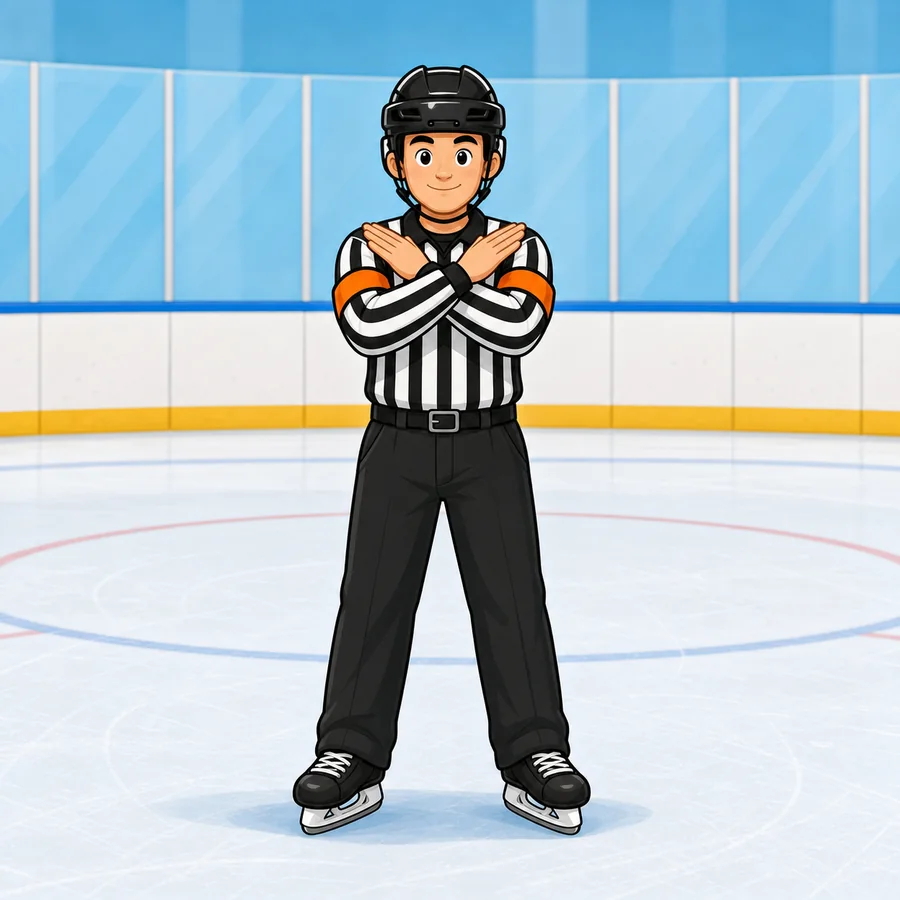
Interference
A player illegally blocked, hit, or slowed an opponent who did not have the puck.
When it happens: Common away from the puck or when a skater is prevented from chasing a loose puck.
What parents should know: This call explains why contact away from the puck is not treated the same as a normal puck battle.
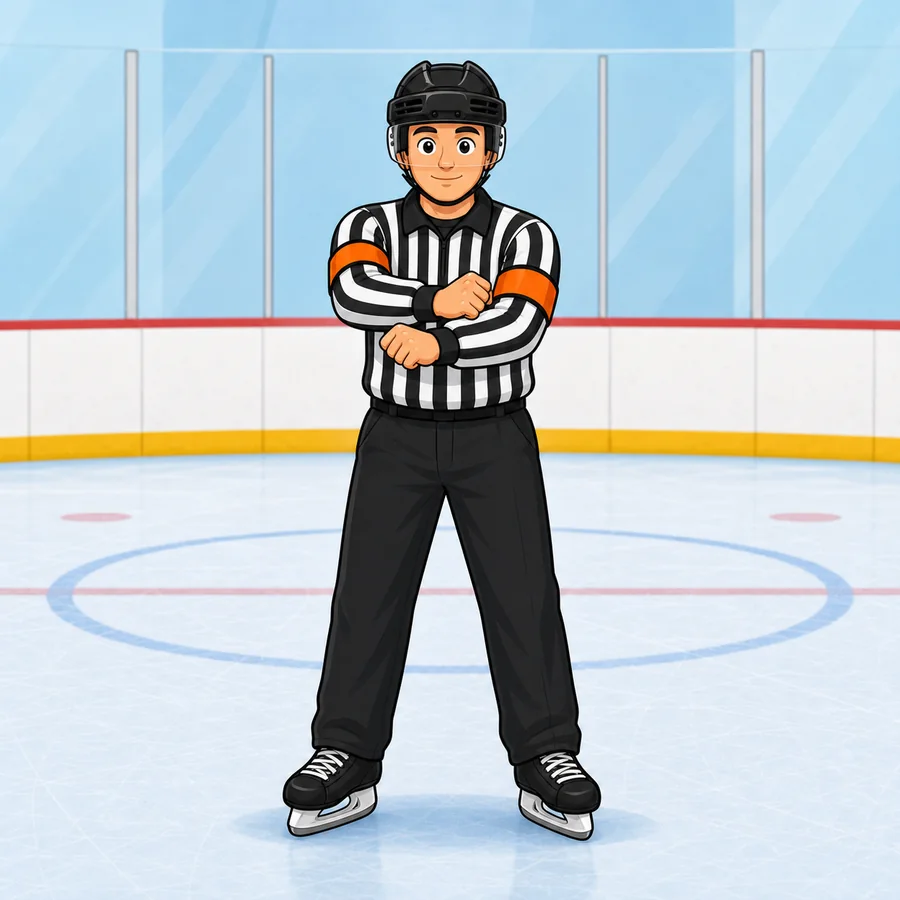
Visual cue: Official crosses arms in front of the chest.
Roughing Or Illegal Checking
A player used unnecessary rough contact or a body check that is not allowed for that age group or situation.
When it happens: Called after unsafe bumps, hits after the whistle, scrums, or checking in no-check youth divisions.
What parents should know: Do not assume adult contact rules apply. Many youth leagues restrict body checking heavily or do not allow it.
Visual cue: Official gives a roughing/checking signal such as a fist or arm motion, often with a verbal explanation.
Too Many Players On The Ice
A team had too many skaters involved during play, often during a line change.
When it happens: Called when extra players are on the ice and affect the play before the change is legal.
What parents should know: This is a bench or substitution penalty, not a skill mistake by one child alone.
Visual cue: Official signals the bench minor and may indicate the team bench or count players.
Cross-Checking
A player used the shaft of the stick between both hands to push or hit an opponent.
When it happens: Called when the stick is used across the body instead of as a legal puck-playing tool.
What parents should know: Cross-checking is commonly enforced in youth hockey because it is unsafe and often happens near the boards or net.
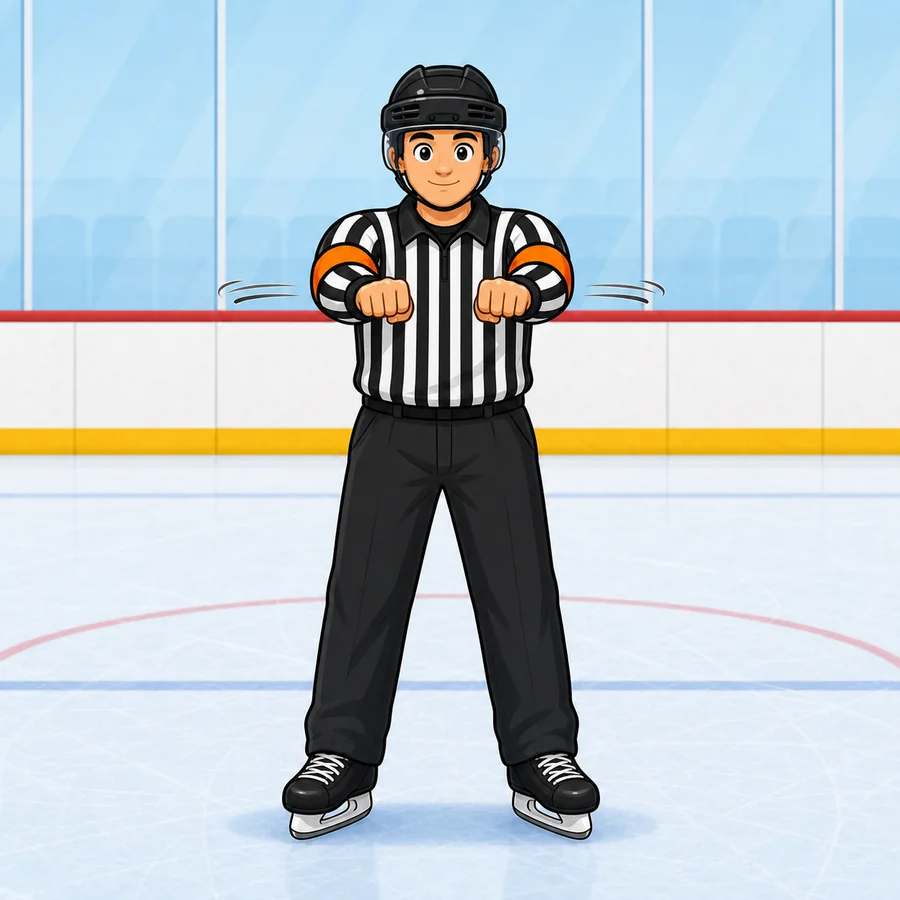
Visual cue: Official moves both fists forward from the chest as if pushing a stick shaft outward.
Penalty Shot
A player may get a one-on-one shot attempt because a major scoring chance was illegally taken away.
When it happens: Called in specific breakaway or scoring-chance situations, depending on the rule set.
What parents should know: Penalty shots are uncommon but exciting. Setup and eligibility can vary, so listen for the official and coach direction.
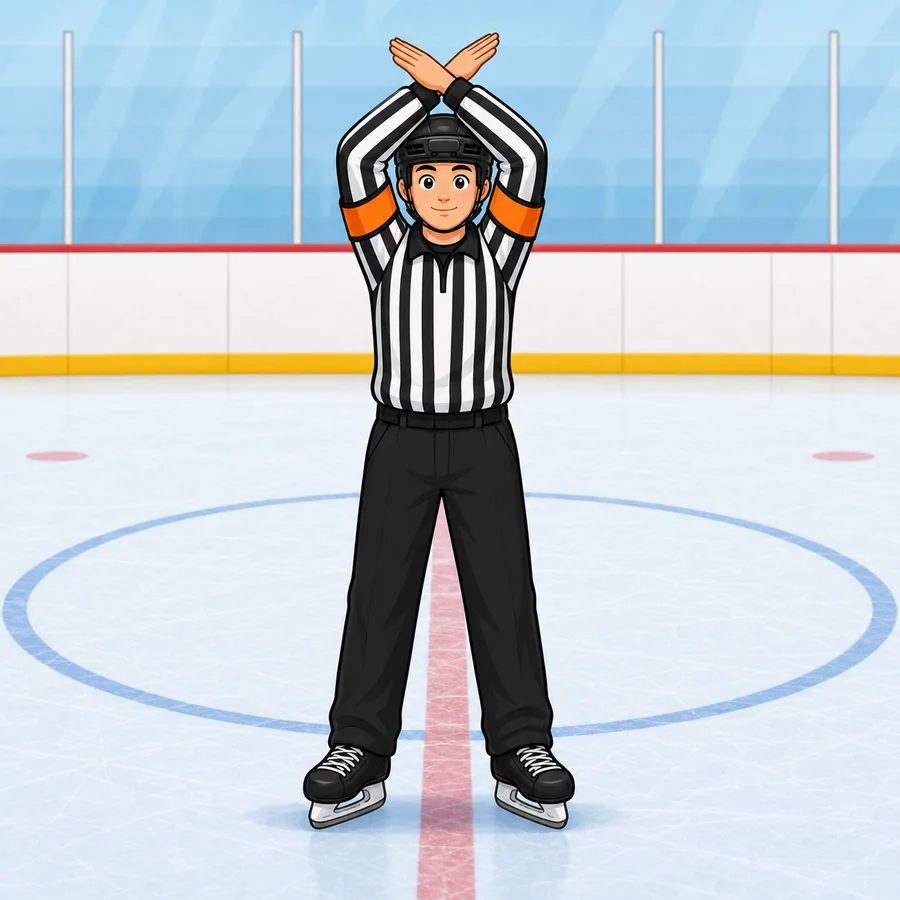
Visual cue: Official crosses arms above the head or points toward center ice depending on local mechanics.
Line Change Or Substitution
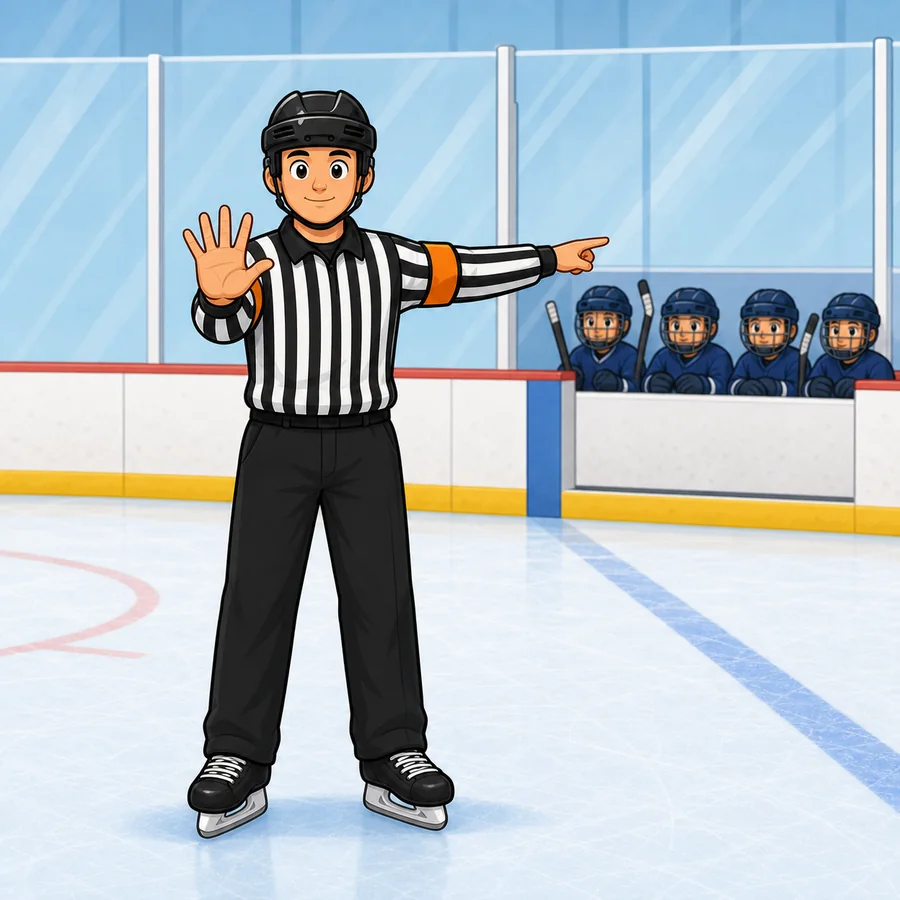
Officials may control or allow player changes during stoppages or help manage a legal change sequence.
When it happens: During whistles, after certain stoppages, or when benches are changing lines.
What parents should know: Youth hockey uses frequent changes for rest and participation. A stoppage before a faceoff may include time for matching lines.
Visual cue: Official points or gestures toward the benches or faceoff area while managing the change.