Referee Signals explained in plain English for parents learning Rugby.
Try
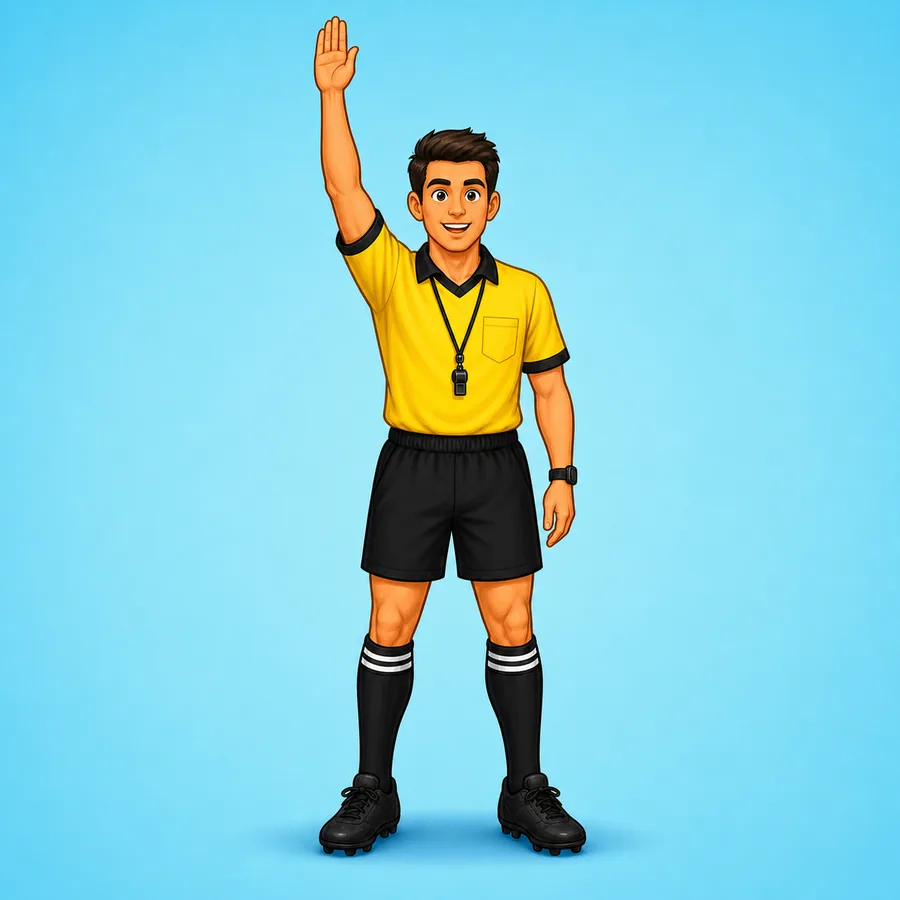
A legal try has been awarded.
When it happens: When the referee sees the ball legally grounded in the in-goal area.
What parents should know: The referee's signal confirms the score. If there is no signal, there may be a grounding issue or prior infringement.
Visual cue: Referee raises an arm to award the try.
Penalty
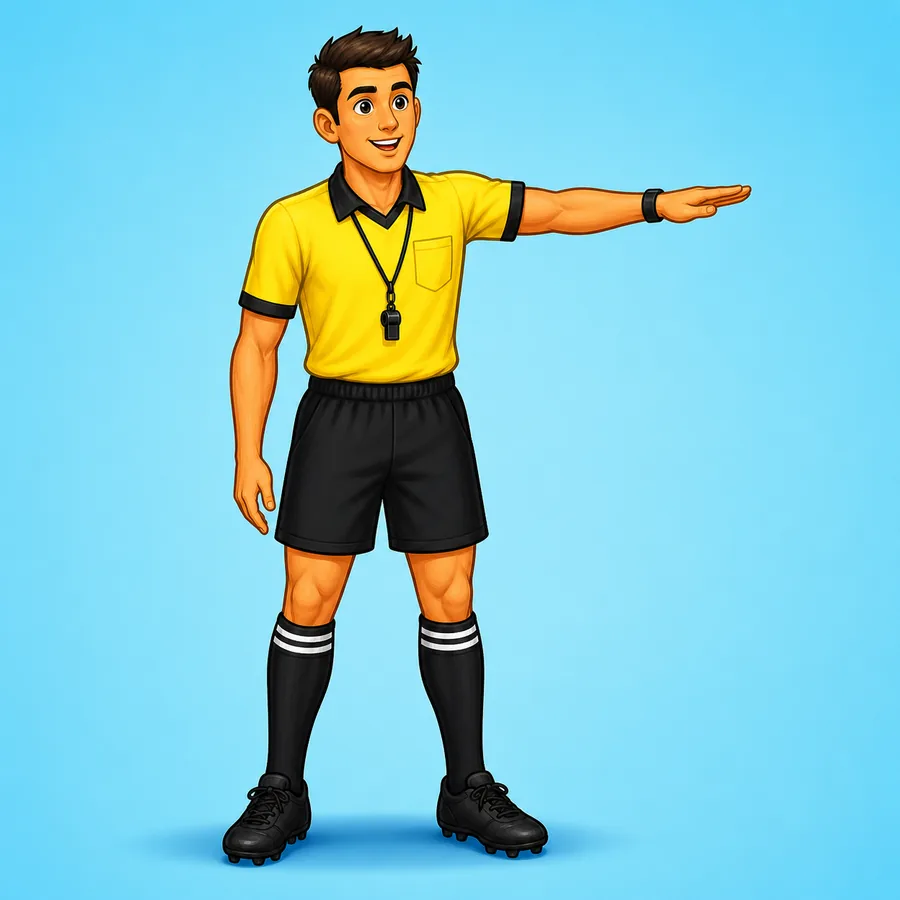
The non-offending team has been awarded a penalty for an infringement.
When it happens: After offside, not releasing, dangerous play, or another penalty offense.
What parents should know: The awarded team may have options such as tap, kick, scrum choice, or kick to touch depending on the format.
Visual cue: Referee blows the whistle and points an arm toward the team awarded the penalty.
Free Kick
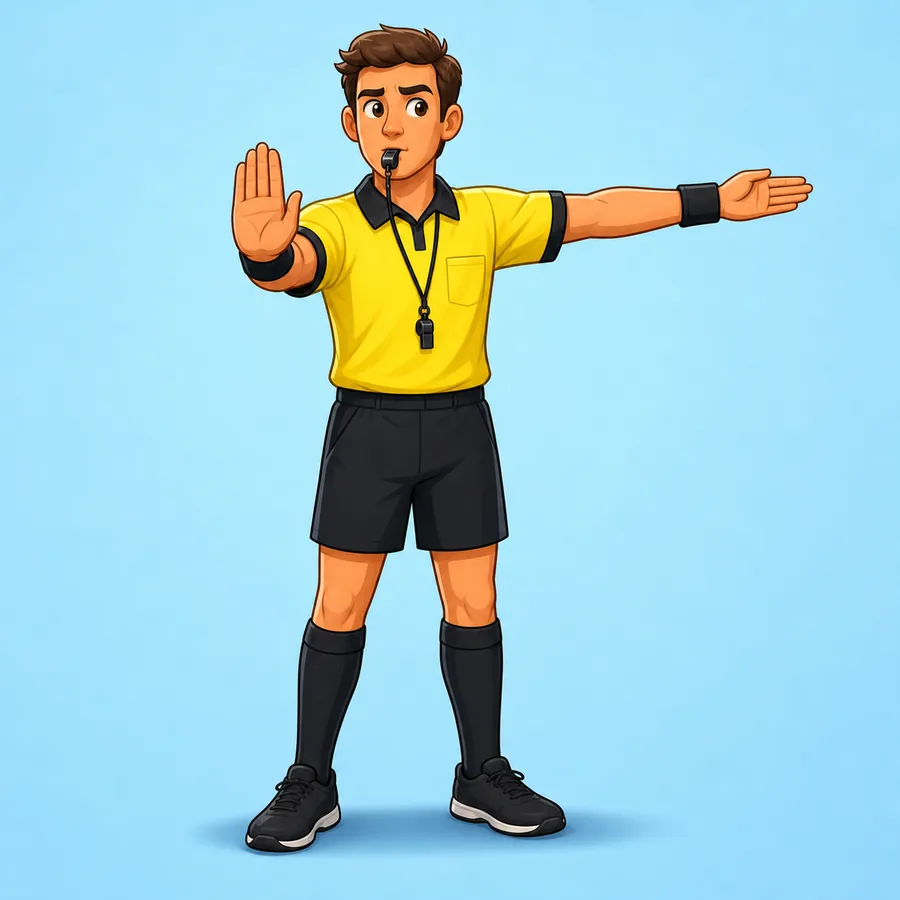
A free kick has been awarded for a technical infringement or local-rule issue.
When it happens: After certain scrum, lineout, timing, or technical violations depending on the rule set.
What parents should know: A free kick is not always the same as a full penalty. Options may be more limited.
Visual cue: Referee gives the local free-kick signal, often with a bent-arm style signal.
Scrum
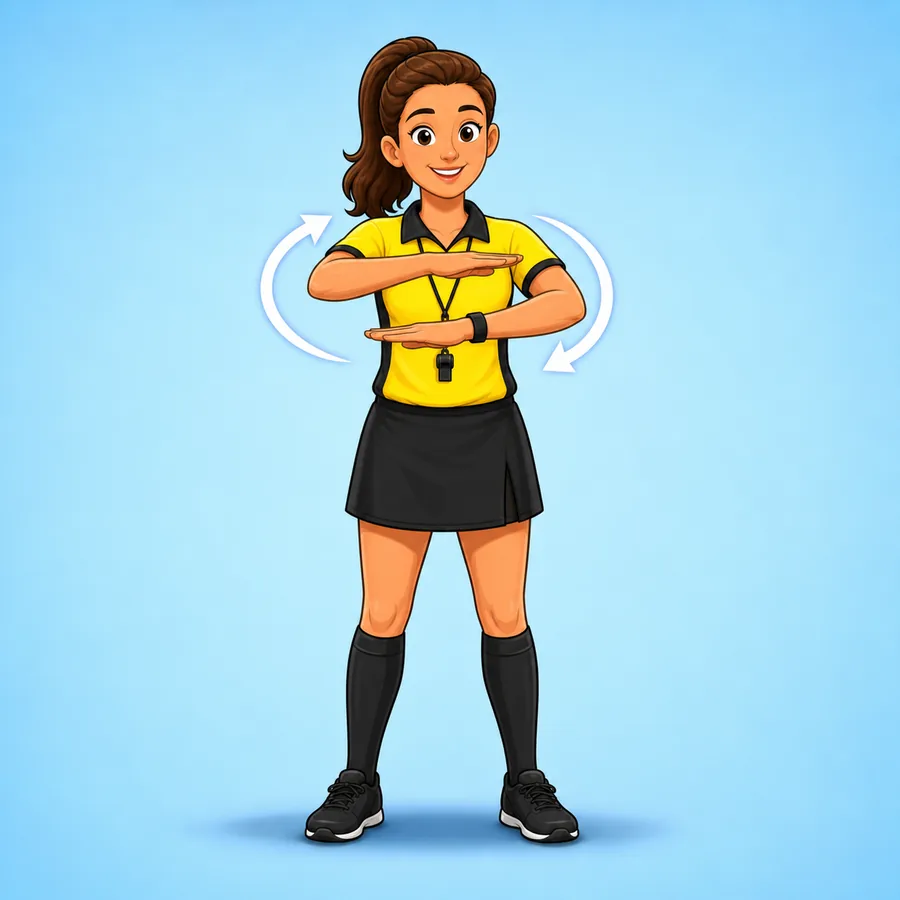
Play will restart with a scrum or youth-modified scrum.
When it happens: After a knock-on, forward pass, or other restart reason chosen by the referee.
What parents should know: Youth scrums may be uncontested, smaller, or replaced by a teaching restart.
Visual cue: Referee indicates a scrum and the direction of the team putting the ball in.
Lineout
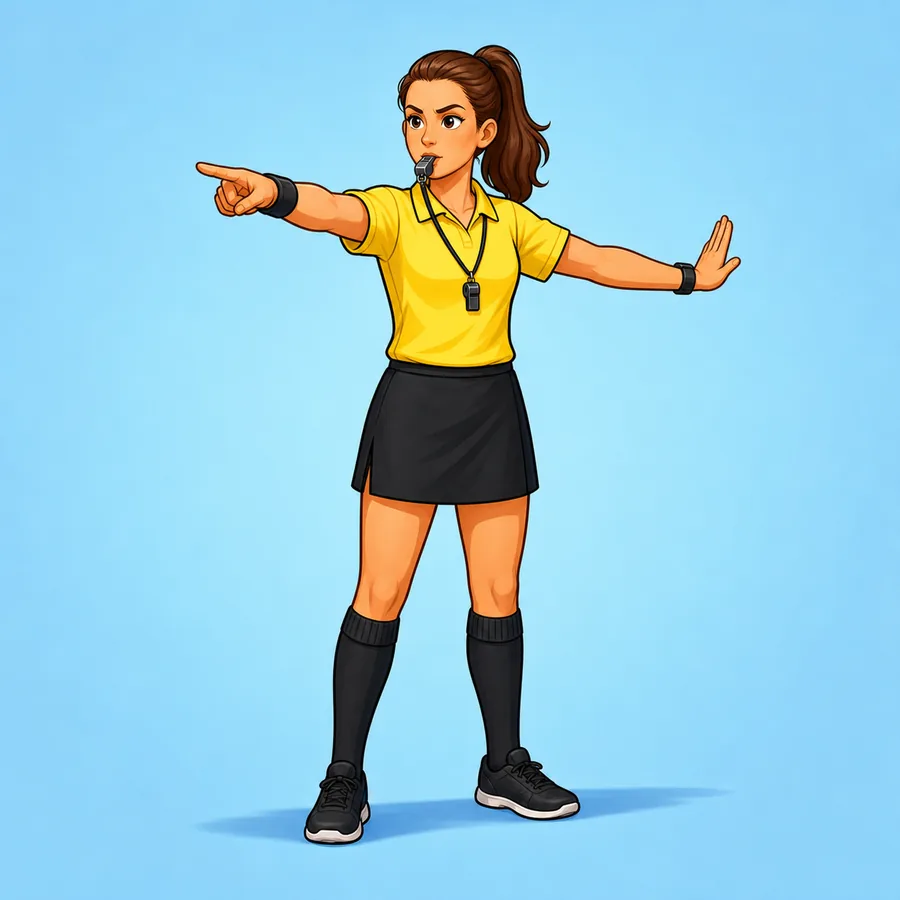
Play will restart from touch with a lineout or youth-modified lineout.
When it happens: After the ball or ball carrier goes into touch along the sideline.
What parents should know: Lineout rules can be simplified for younger players, including no lifting and fewer players.
Visual cue: Referee points to the touchline and indicates which team throws in.
Knock-On
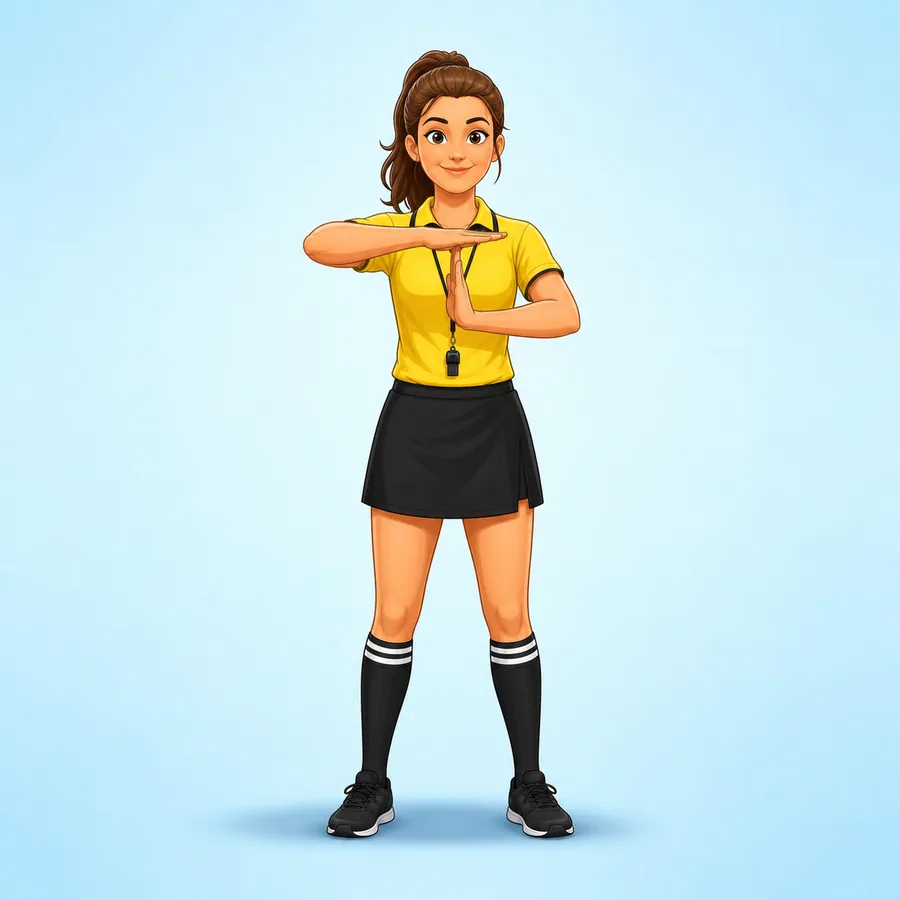
A player mishandled the ball forward from the hands or arms.
When it happens: When a catch, pickup, or carry sends the ball forward illegally.
What parents should know: If the other team gains useful possession, the referee may first play advantage.
Visual cue: Referee signals the knock-on and usually indicates the restart direction.
Forward Pass
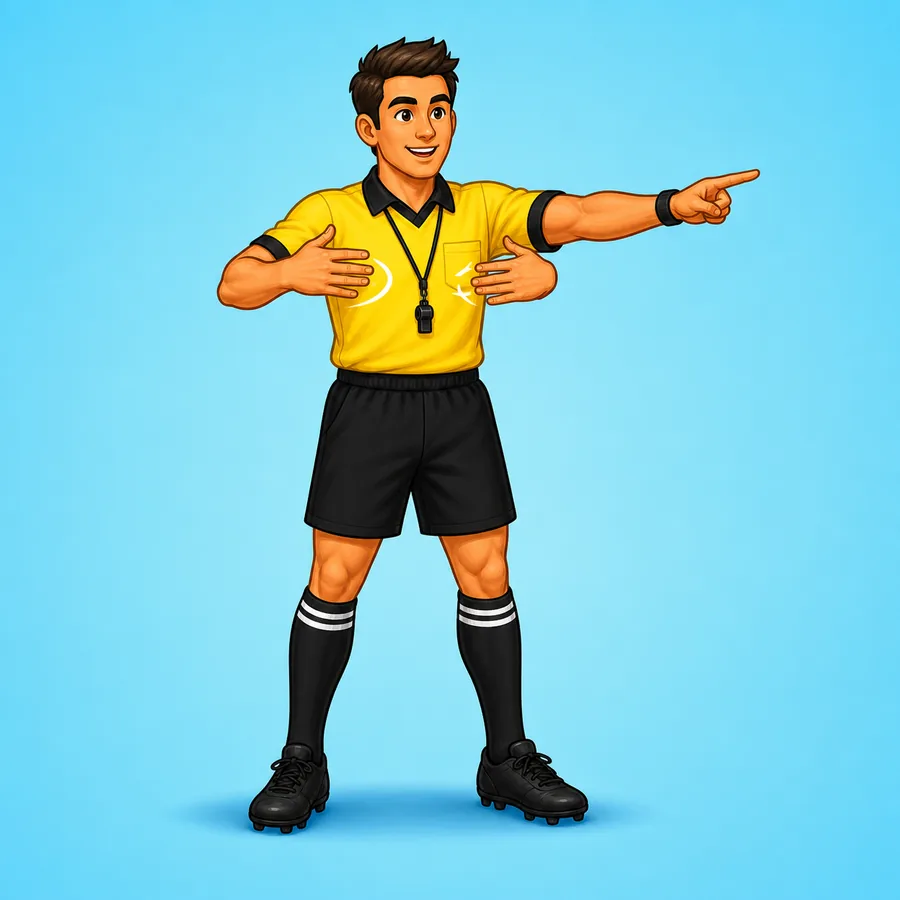
A pass traveled forward from the passer's hands.
When it happens: When a teammate receives or attempts to receive a pass thrown toward the opponent's goal line.
What parents should know: The pass may look close from the sideline, so watch the referee's position and signal.
Visual cue: Referee gestures to show the ball was passed forward and indicates the restart.
Offside
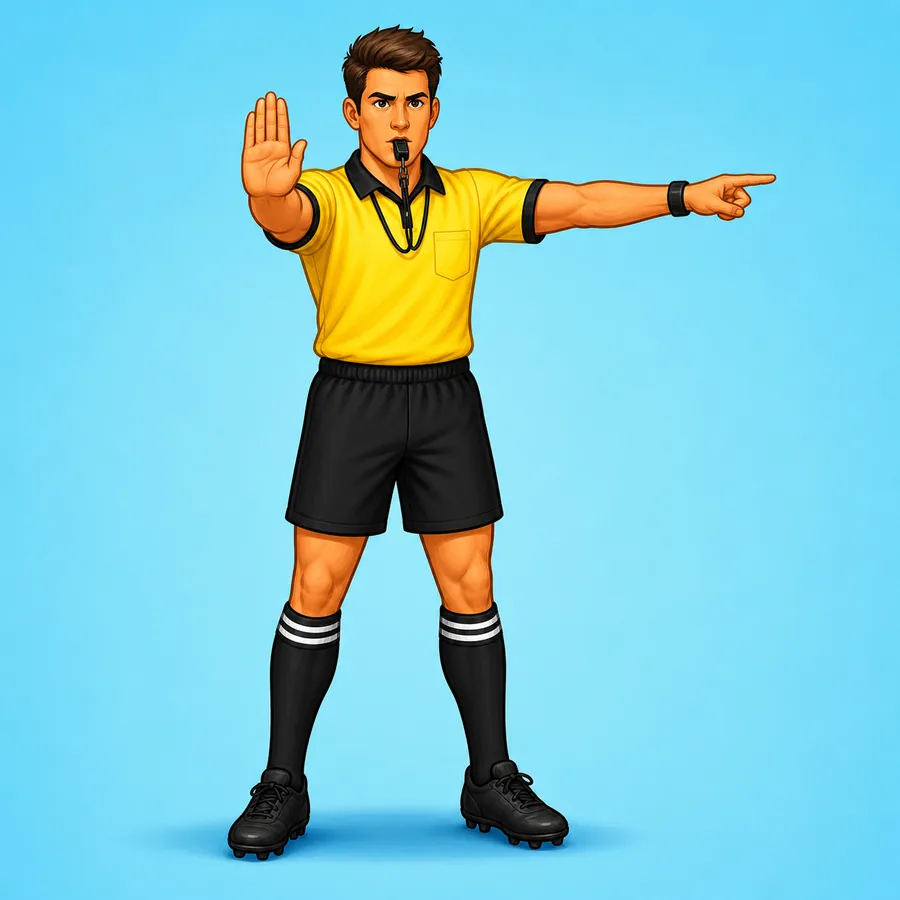
A player took part from an illegal position.
When it happens: Around rucks, mauls, scrums, lineouts, tackles, kicks, or restarts when players cross the offside line too early.
What parents should know: Offside often happens away from the ball and can surprise spectators.
Visual cue: Referee indicates offside and points toward the team awarded the penalty.
Advantage
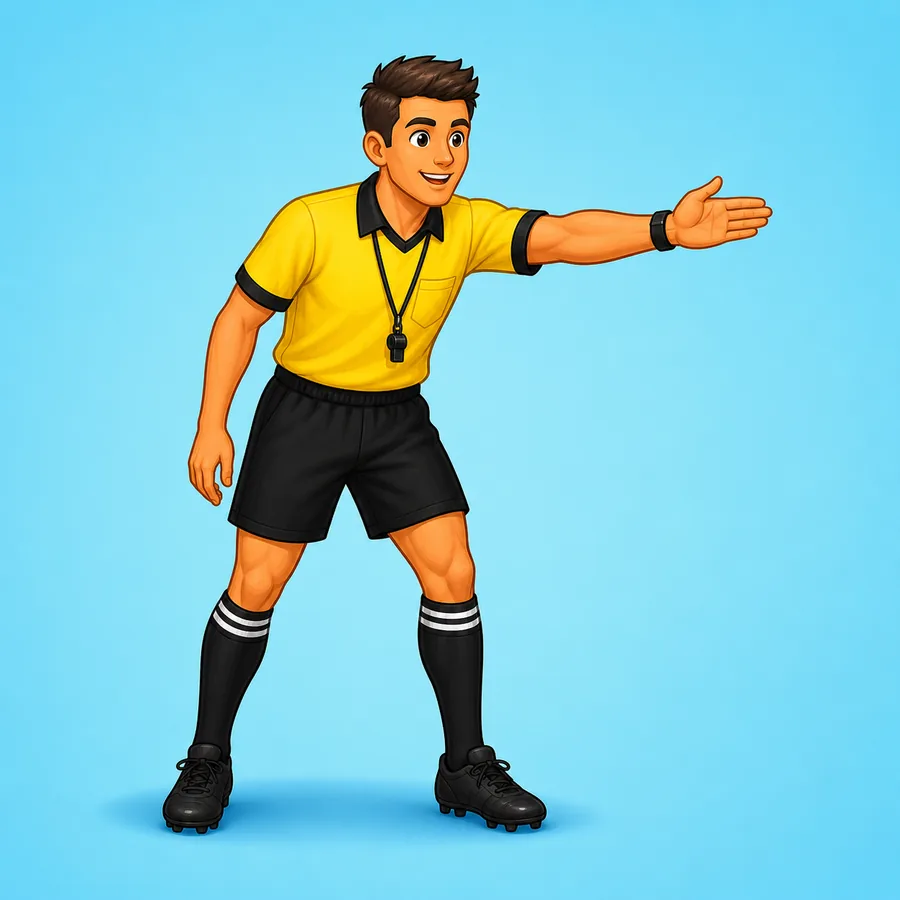
The referee is allowing play to continue after an infringement because the non-offending team may benefit.
When it happens: After a knock-on, offside, or penalty offense when the other team still has a useful opportunity.
What parents should know: If the advantage does not develop, the referee can return to the original mark.
Visual cue: Referee extends an arm toward the team with advantage and calls advantage.
High Tackle Or Dangerous Play
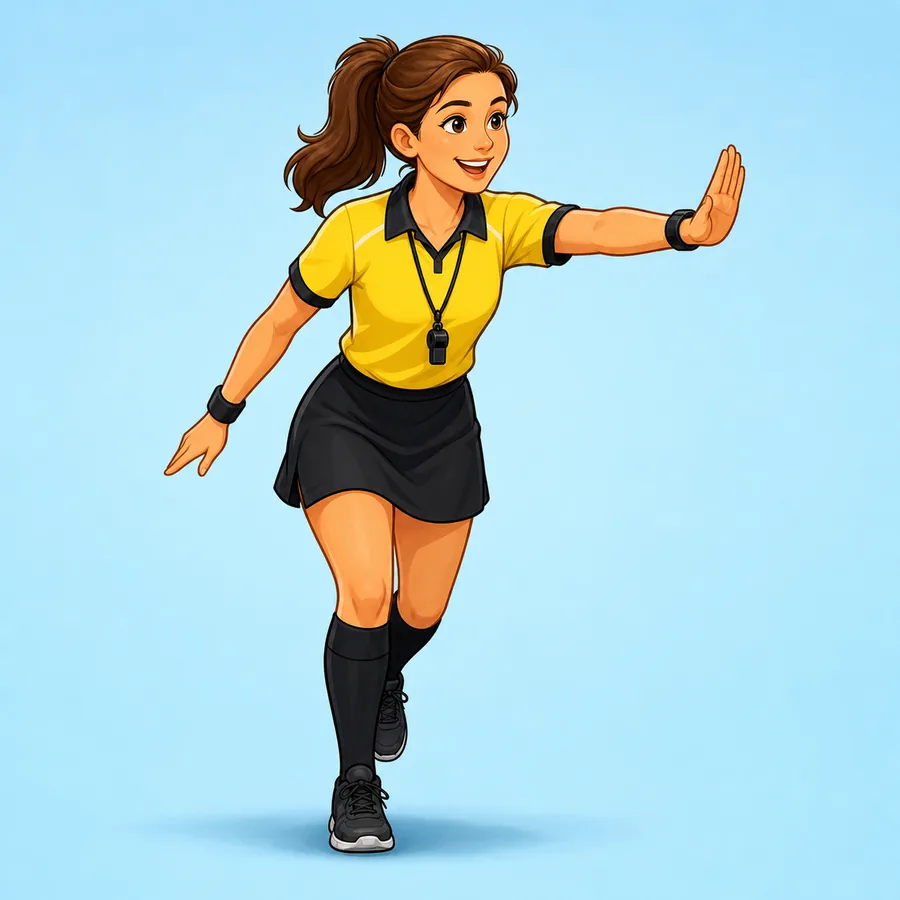
Play has been stopped or penalized for unsafe contact or dangerous play.
When it happens: When contact is high, reckless, late, outside the local contact rules, or otherwise unsafe.
What parents should know: This is a safety call. Let coaches and officials manage the explanation and consequences.
Visual cue: Referee signals dangerous play or high contact using the local signal and penalty direction.
Not Releasing
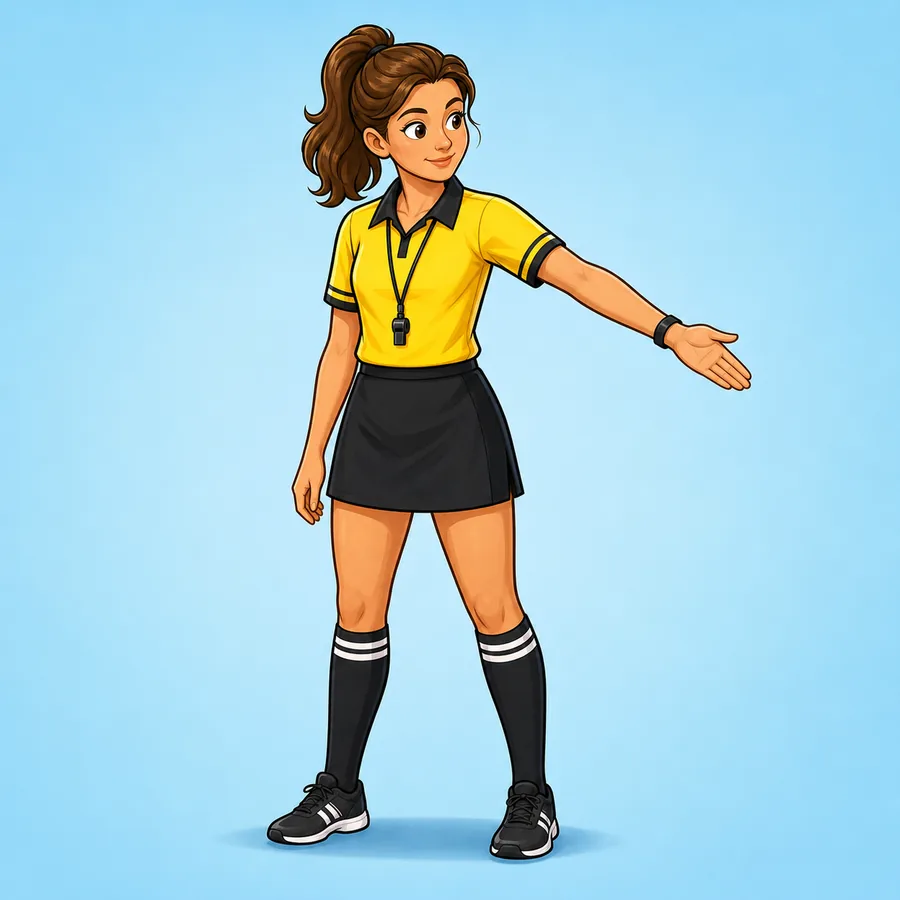
A player did not release the ball, opponent, or tackle area as required after a tackle.
When it happens: After a tackle or contest area in tackle formats.
What parents should know: This call depends on tackle-format rules and may not apply the same way in tag or touch rugby.
Visual cue: Referee indicates the player failed to release and awards the penalty direction.
Held Up
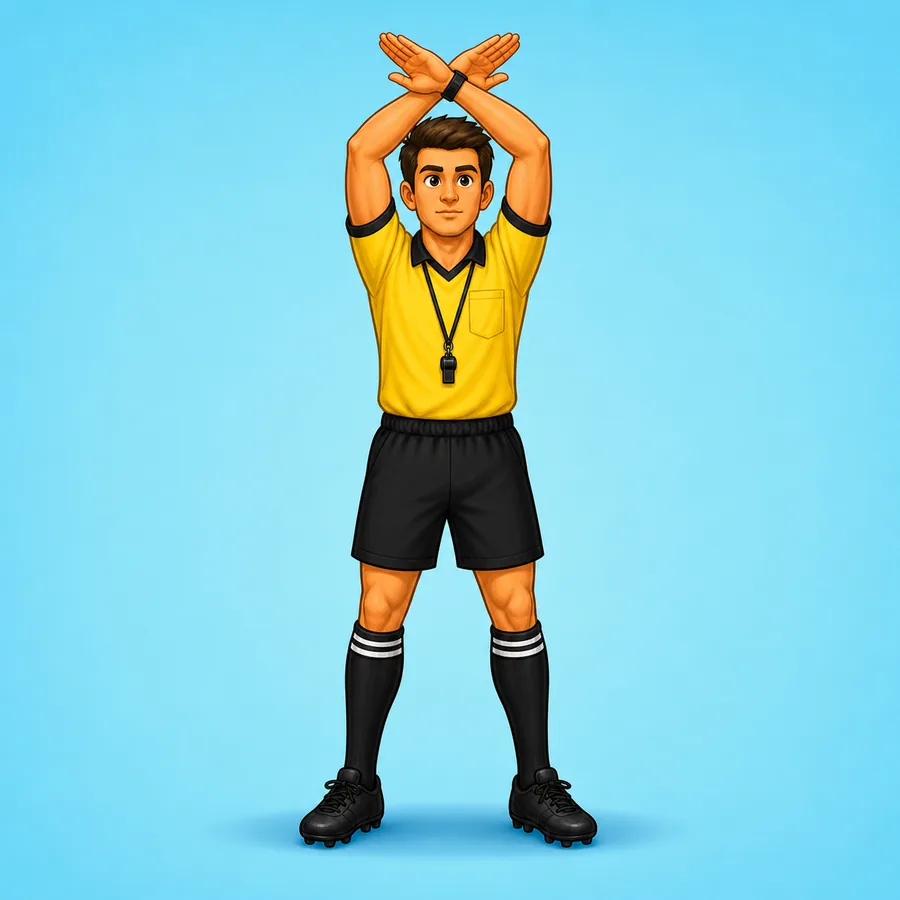
The ball carrier was stopped without a legal grounding or the ball was held up in a way that prevents the expected score or continuation.
When it happens: Near the goal line, in a maul, or when the referee cannot award a grounded try.
What parents should know: The restart after held up varies by code, age group, and local competition rules.
Visual cue: Referee uses the local held-up or no-grounding signal and sets the restart.
Ball In Touch
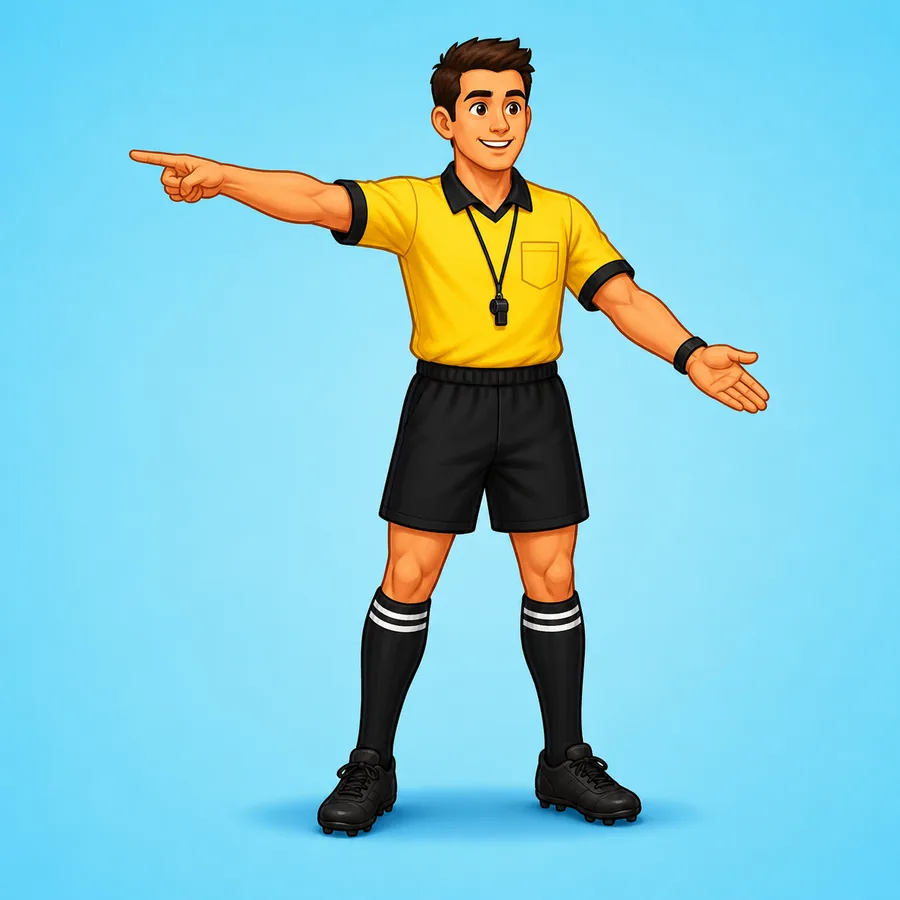
The ball or ball carrier went out over the touchline.
When it happens: When the ball crosses the sideline or a player carrying it steps out.
What parents should know: The usual restart is a lineout or youth-modified throw-in, but beginner formats may simplify it.
Visual cue: Referee or assistant indicates touch and the throw-in direction.
Restart Direction
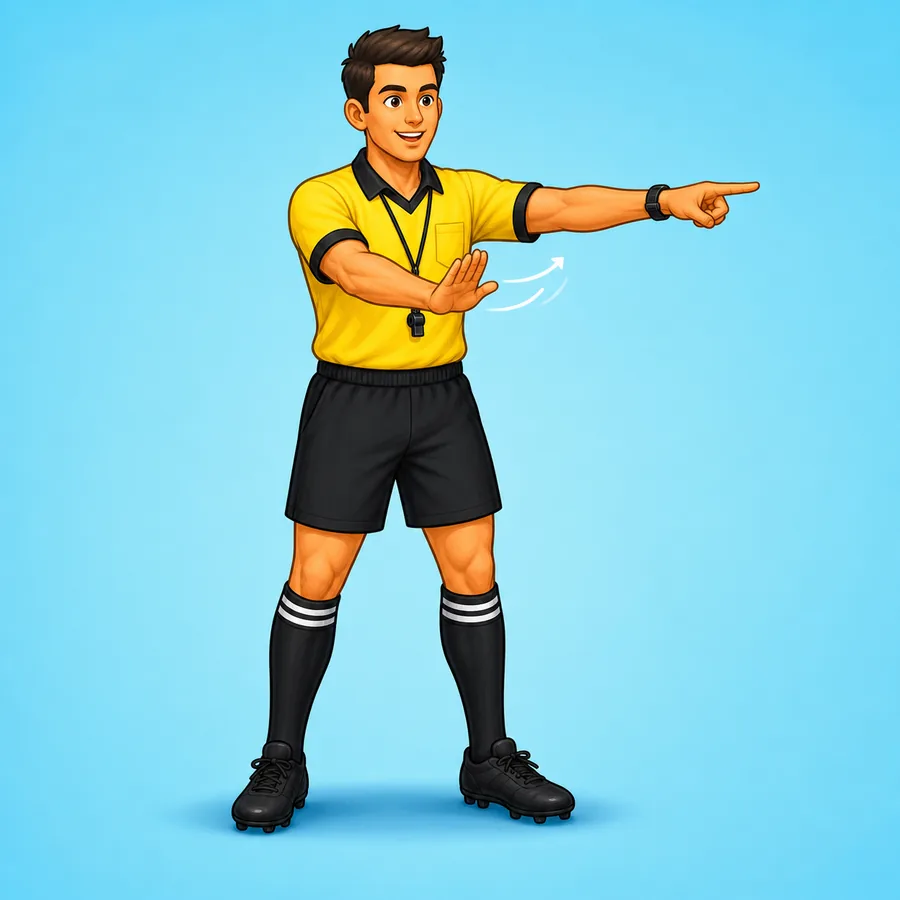
The referee shows which team has the ball and where play will restart.
When it happens: After many whistles, scores, balls into touch, and local teaching stoppages.
What parents should know: This is often the quickest way for parents to know what happens next.
Visual cue: Referee points toward the attacking direction for the team awarded the restart.