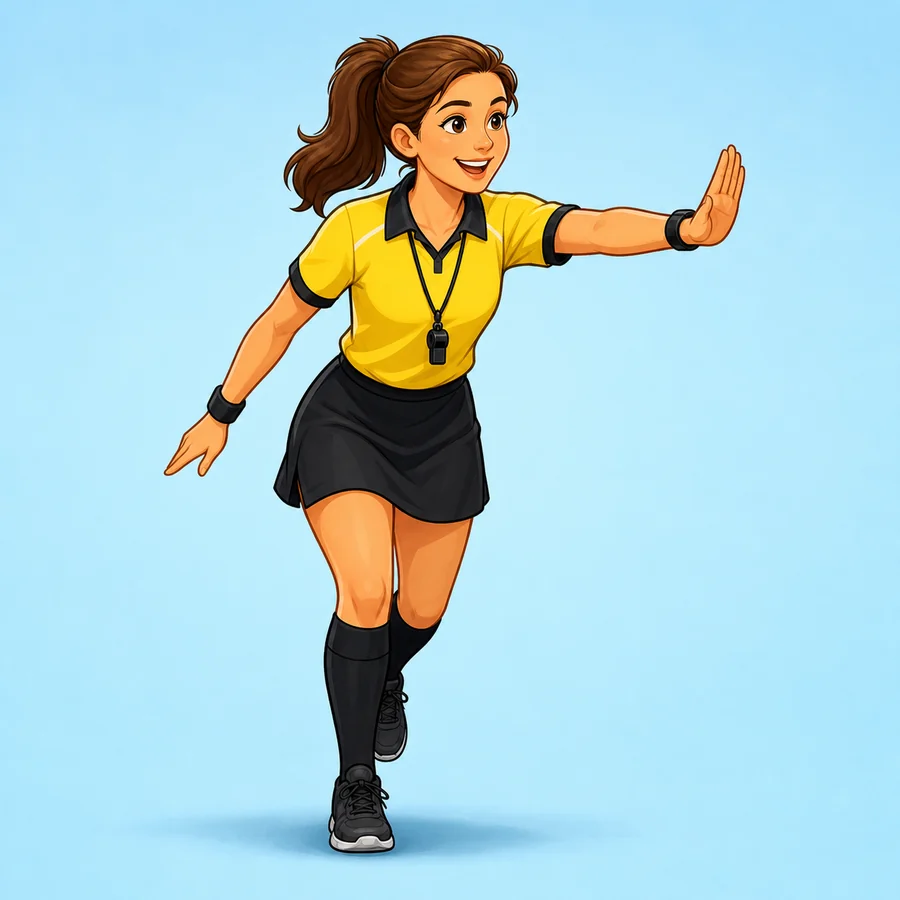
Referee Signals explained in plain English for parents learning Field Hockey.
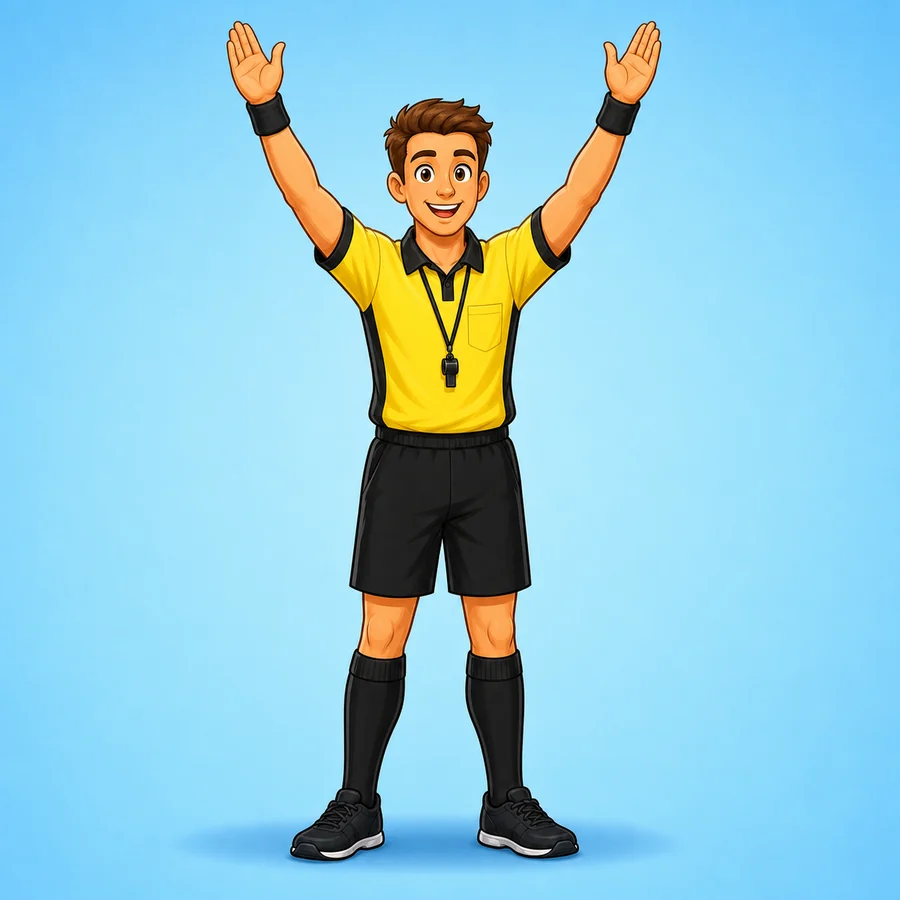
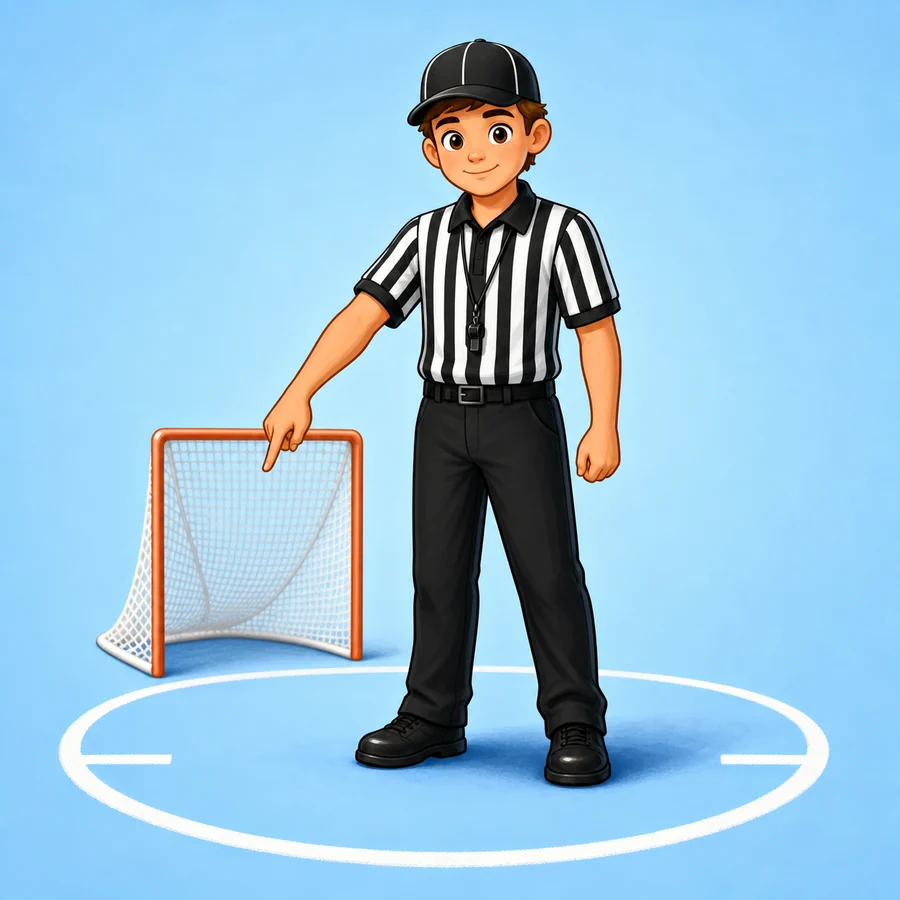
Goal
A legal goal has been awarded.
When it happens: When the ball legally crosses the goal line under the local scoring rule.
What parents should know: The official's signal confirms the score. If there is no signal, the shot may not have met the shooting-circle or local scoring rule.
Visual cue: Official indicates the goal and points toward the center restart.
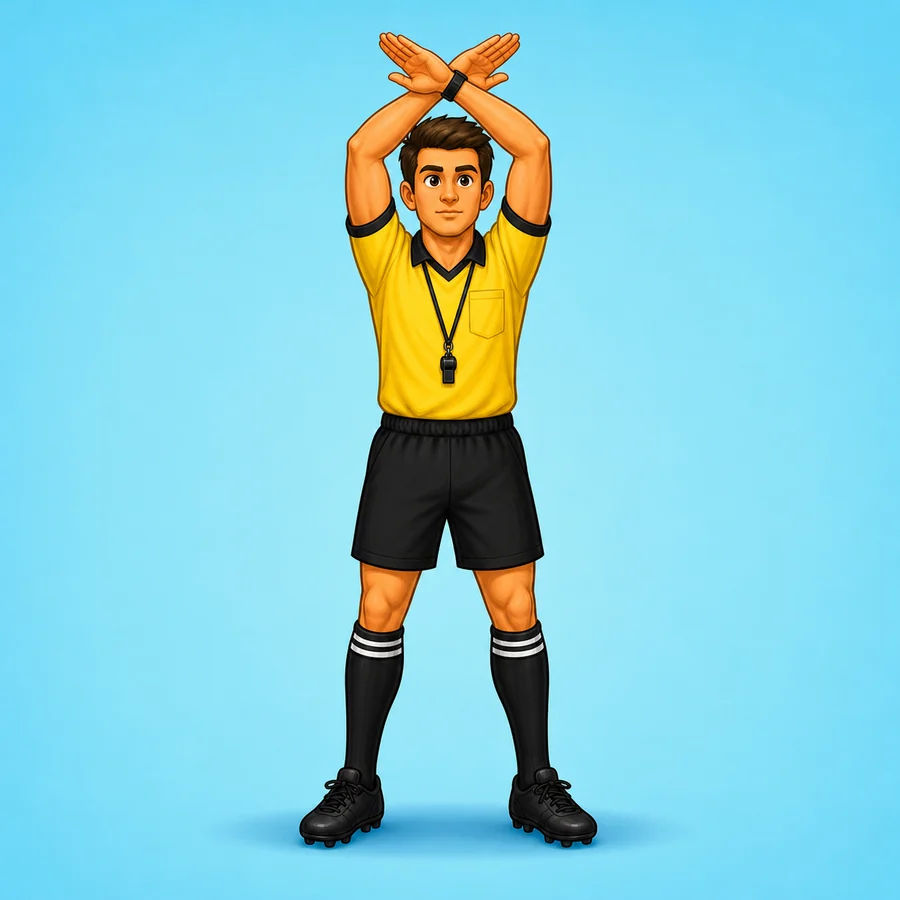
No Goal
The ball entered or approached the cage but the official is not awarding a goal.
When it happens: After a shot from outside the circle, a prior foul, dangerous play, or another scoring-rule issue.
What parents should know: This is common when parents miss the shooting-circle requirement. Wait for the official's direction and restart.
Visual cue: Official waves off the score or signals the restart direction instead of awarding the goal.
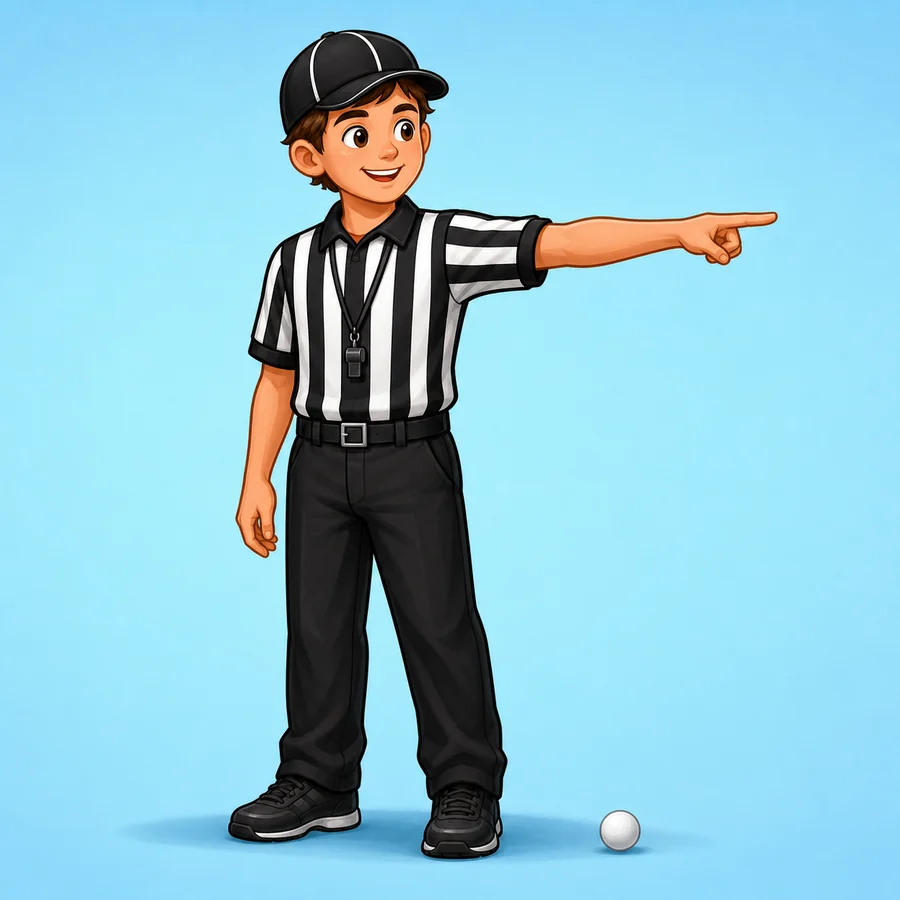
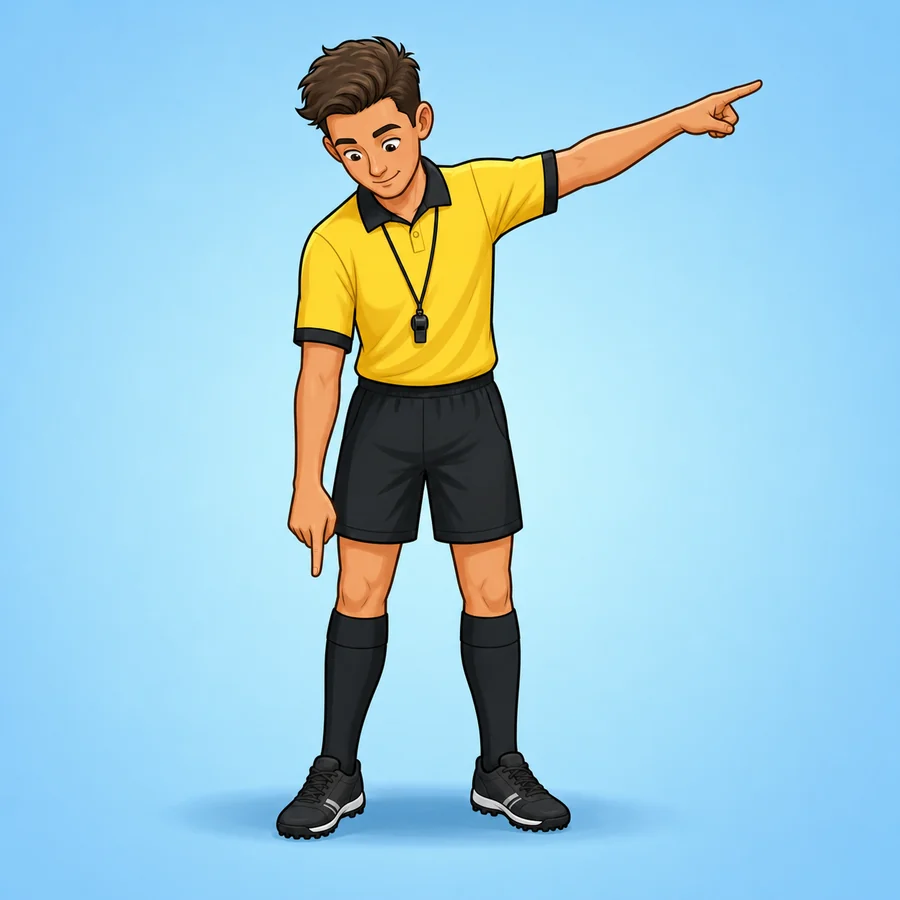
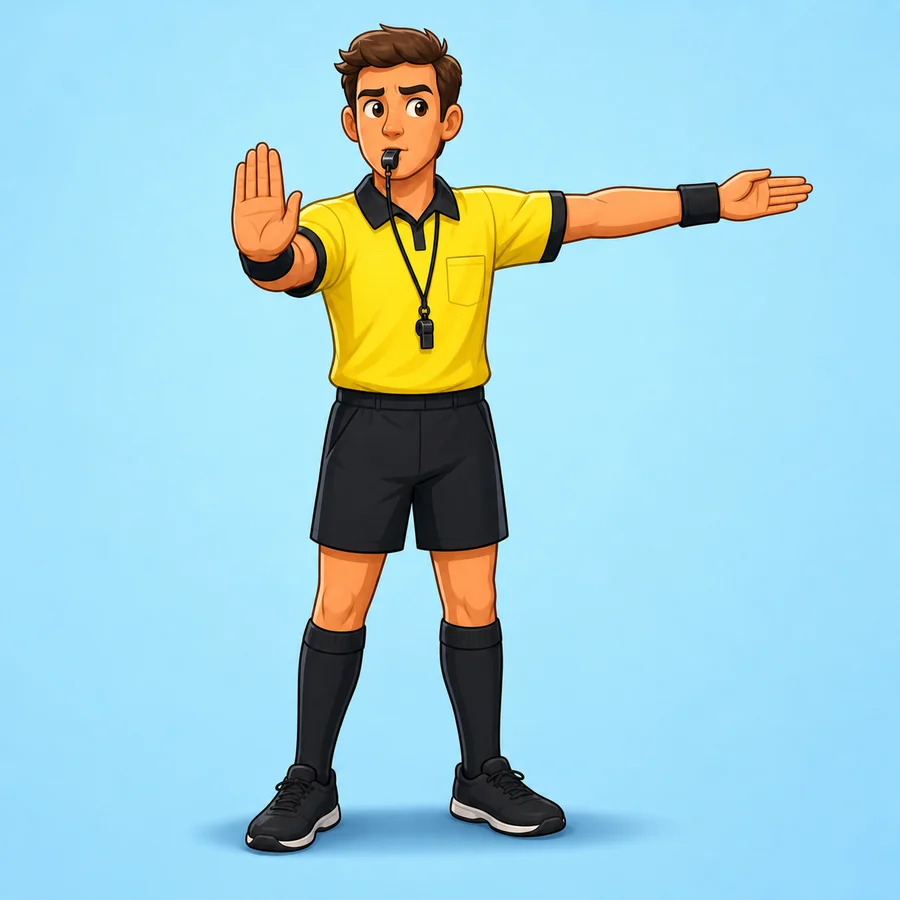
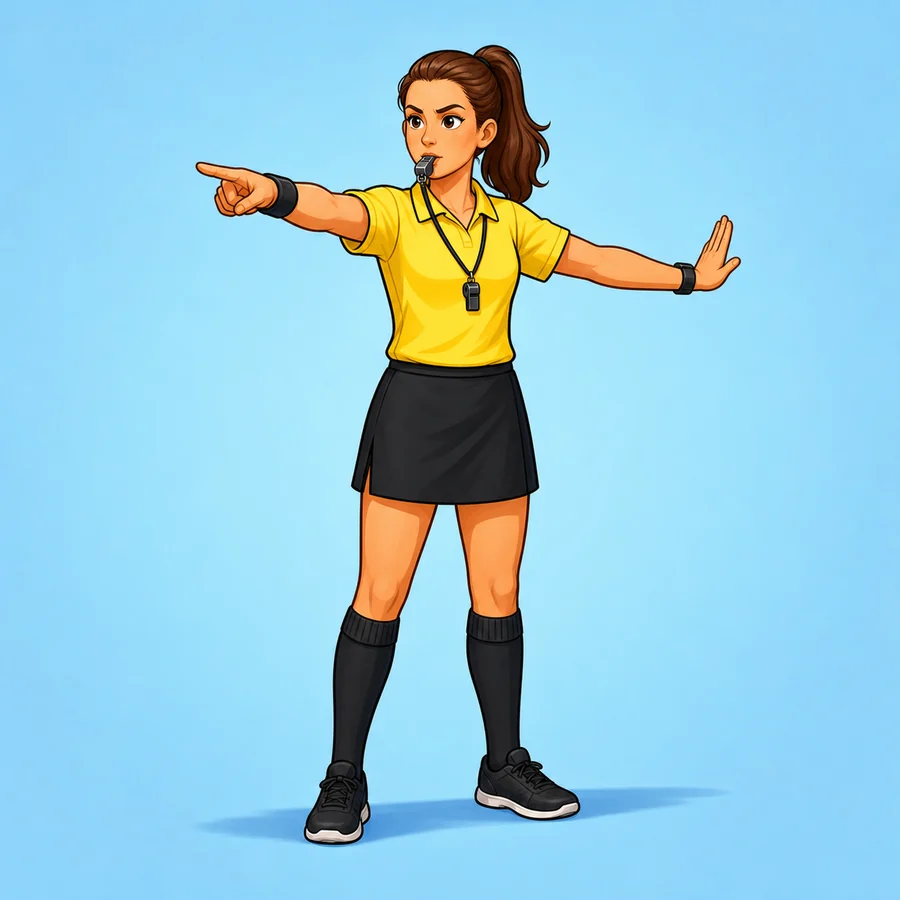
Free Hit Direction
One team has been awarded a free hit or restart in a specific direction.
When it happens: After obstruction, foot contact, dangerous play, spacing violations, or other fouls.
What parents should know: The direction signal tells parents which team gets the ball next.
Visual cue: Official points an arm in the direction the awarded team will attack.
Penalty Corner
The attacking team has been awarded a penalty corner.
When it happens: For certain defensive fouls near or inside the shooting circle, depending on local rules.
What parents should know: Players may take time to set up. Younger divisions may use simplified penalty-corner procedures.
Visual cue: Official signals a penalty corner and points toward the penalty-corner setup area.
Penalty Stroke
A penalty stroke has been awarded.
When it happens: For certain serious fouls that stop a likely goal or happen in key scoring situations.
What parents should know: This is a major scoring chance and is different from a penalty corner.
Visual cue: Official signals the stroke and directs players to the penalty-stroke setup.
Obstruction
A player unfairly blocked an opponent's legal access to the ball.
When it happens: When body or stick position prevents an opponent from playing the ball fairly.
What parents should know: It can be subtle from the sideline because the player with the ball may look like they are simply shielding well.
Visual cue: Official signals obstruction and awards the free-hit direction.
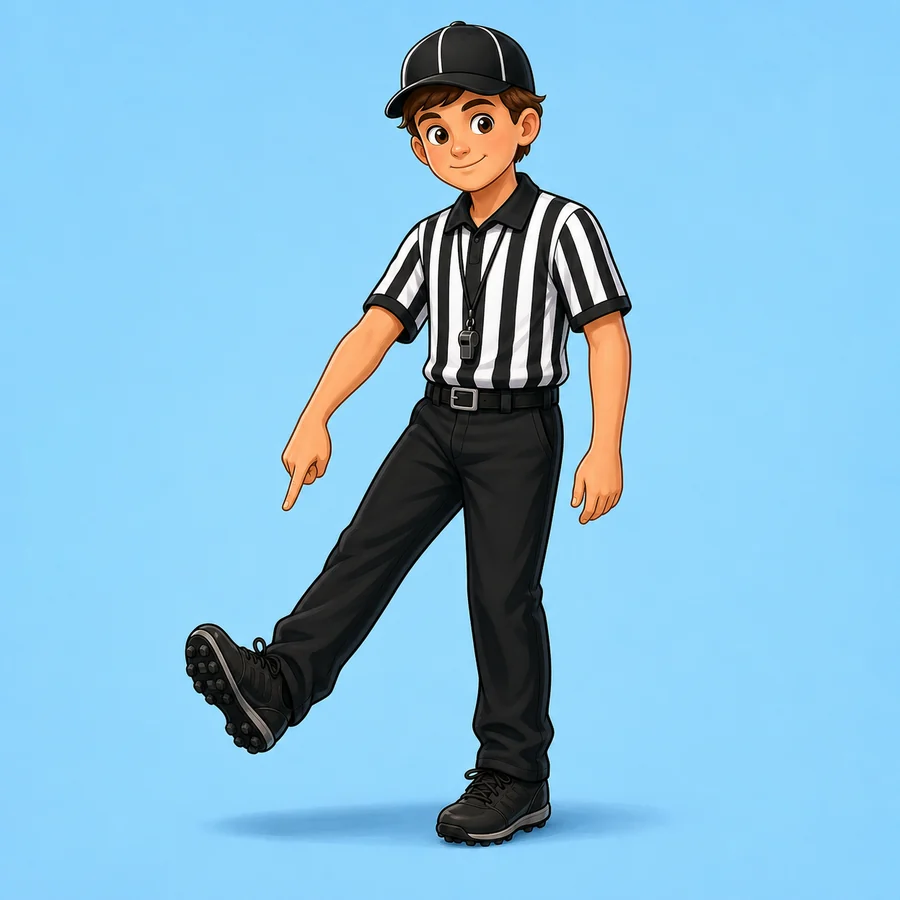
Foot
The ball contacted a player's foot and play is stopped under the local rule.
When it happens: When foot contact affects play, creates an advantage, or violates the local rule.
What parents should know: Young players commit foot fouls often while learning. The restart direction matters most.
Visual cue: Official indicates the foot contact and points the restart direction.
Dangerous Play
Play has been stopped for unsafe stick use, an unsafe raised ball, or another dangerous action.
When it happens: When a swing, hit, raised ball, or challenge puts players at risk under local rules.
What parents should know: Safety calls should be handled by coaches and officials. Parents can model calm support.
Visual cue: Official signals dangerous play and awards the free-hit direction or stronger penalty.
Advantage
The official allows play to continue because the non-offending team may benefit.
When it happens: After a foul when stopping immediately would hurt the team that was fouled.
What parents should know: If the advantage does not develop, the official may bring play back to the original spot.
Visual cue: Official extends an arm or calls advantage while play continues.
Hit-In Or Side-In
The ball went out over the sideline and will restart from the side.
When it happens: When the ball crosses the sideline or a player last touches it before it goes out.
What parents should know: The official's direction tells which team restarts. Players may need to back up before the hit-in.
Visual cue: Official points along the sideline in the direction of the team awarded the restart.
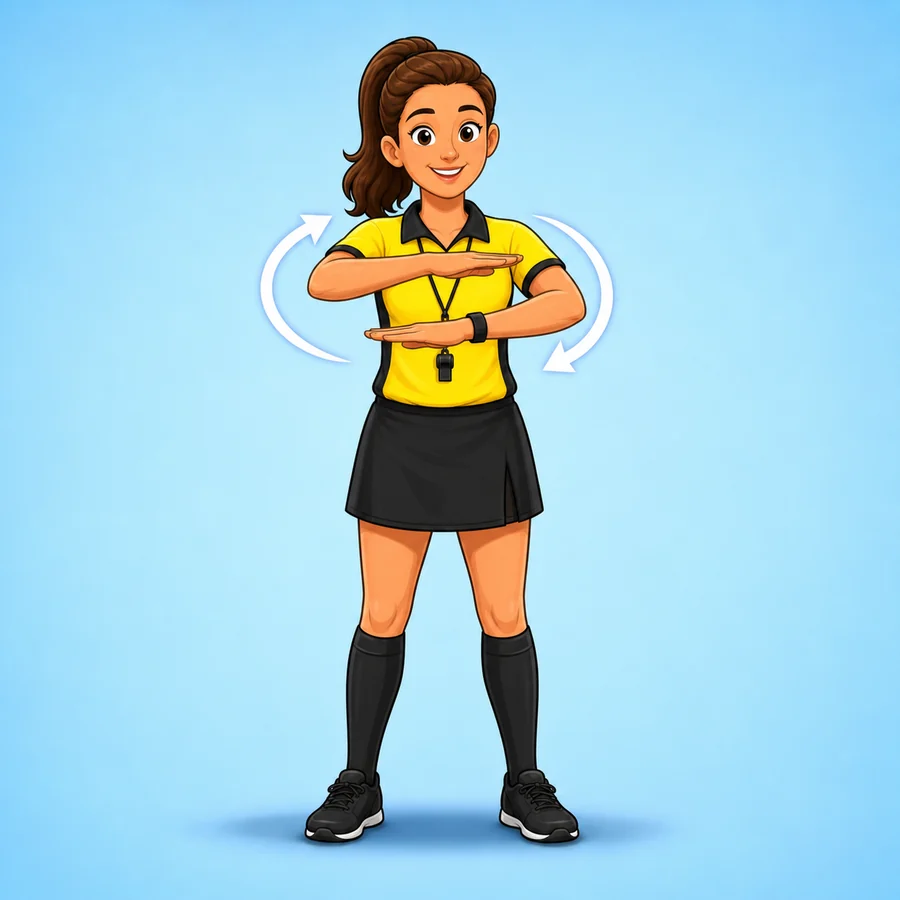
Substitution
A player change is being allowed or managed under local procedure.
When it happens: When teams rotate players from the bench or handle goalie substitutions.
What parents should know: Some substitutions are rolling and may not involve a formal signal every time. Special rules can apply for goalies or penalty corners.
Visual cue: Official acknowledges or manages the player exchange near the substitution area.
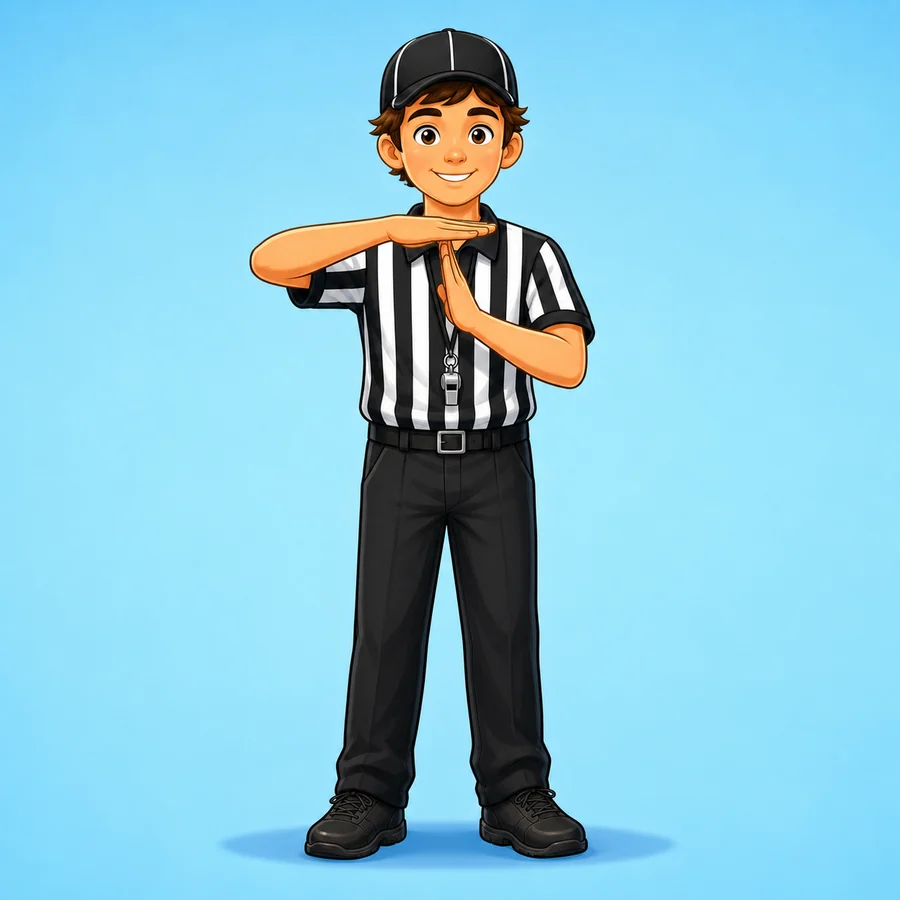
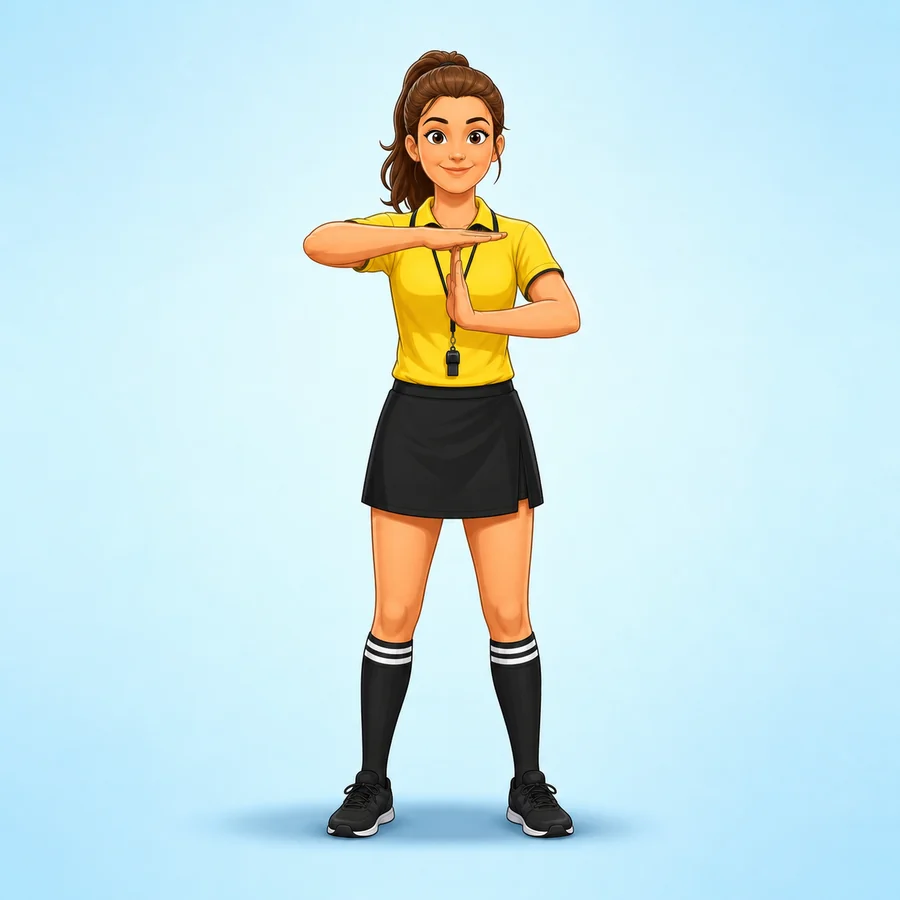
Time
The official is stopping, starting, or managing the clock.
When it happens: For injury, timeout, end of period, equipment issue, weather, or administrative stoppage.
What parents should know: Listen for coach or official instructions before assuming the period is over.
Visual cue: Official signals time with a clear stop-clock or time-management gesture.